
SİGORTAWORLD • SÜREKLİ DEĞİŞEN İÇERİKLER
2 dk okuma

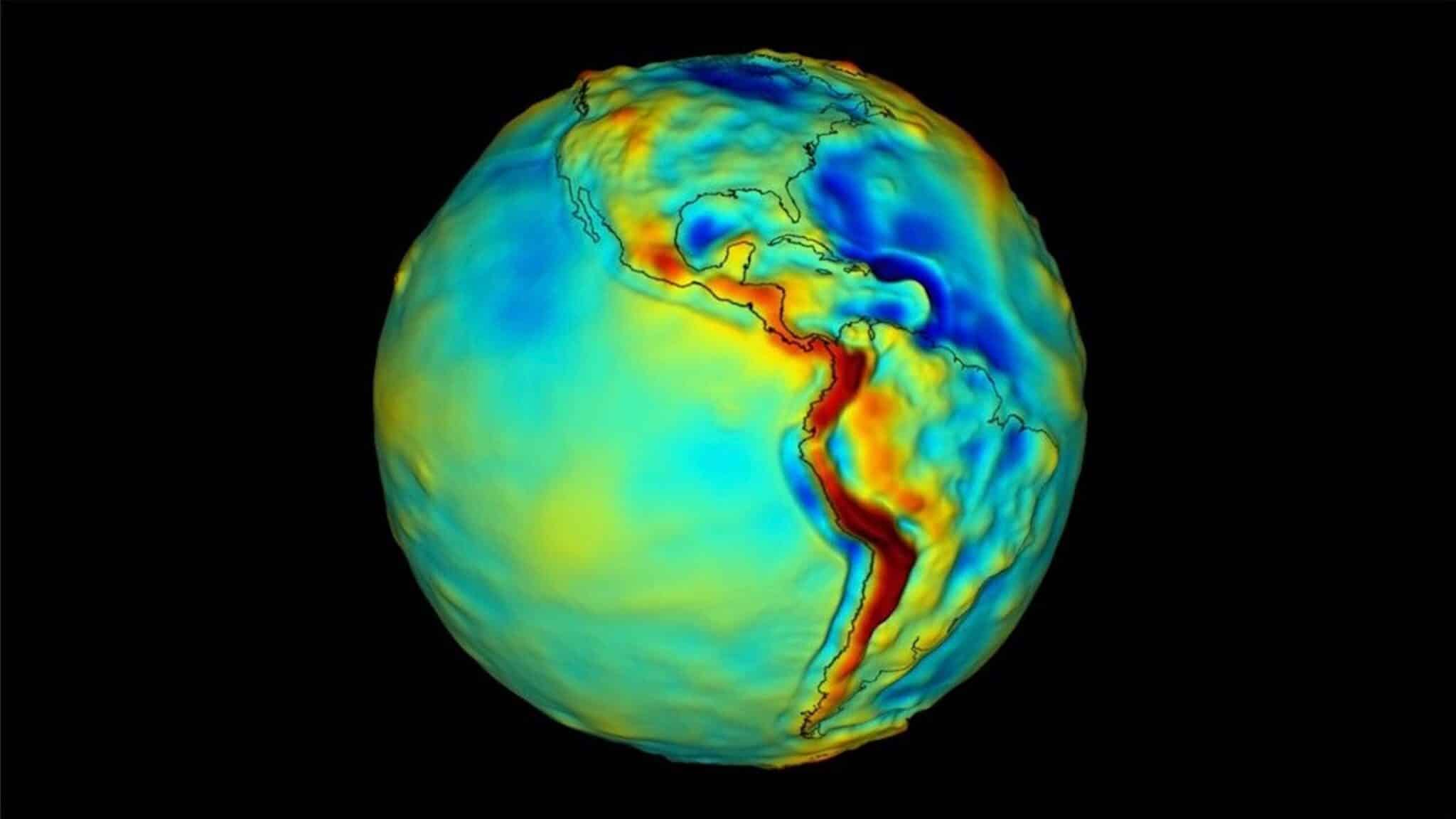
Introduction to NASA‘s Revolutionary Quantum SensorNASA is at the forefront of innovation with its groundbreaking development of a space-based quantum sensor designed to detect the most minute tremors in Earth‘s gravitational field. This pioneering technology is set to offer unprecedented insights into the planet’s subterranean architecture by accurately measuring subtle changes beneath the Earth’s surface, including water flows, tectonic shifts, and geological displacements.Transforming Subsurface MappingUnder the expert guidance of NASA‘s Jet Propulsion Laboratory (JPL), the sensor, aptly named the “Quantum Gravity Gradiometer Pathfinder” (QGGPf), boasts the capability to identify underground features such as aquifers and mineral deposits. Such data is invaluable not just for scientific exploration but also for applications in navigation, resource management, and national defense. In a statement, Jason Hyon, director of JPL’s Quantum Space Innovation Center, expressed, “We can determine the mass of the Himalayas using atoms.”How the QGGPf Sensor WorksUnlike traditional mechanical systems, the QGGPf sensor employs clouds of atoms chilled to near absolute zero. When released into free fall, these atoms are targeted with laser beams, which separate and then recombine them. The resulting interference patterns reveal how gravity affects the atoms, allowing scientists to detect even the slightest gravitational variations. This innovative method, known as “atom interferometry,” delivers significantly more precise outcomes compared to conventional techniques.Compact Design Ready for SpaceA remarkable feature of the QGGPf sensor is its compact form. With dimensions akin to a small washing machine and weighing approximately 125 kilograms, it is remarkably smaller and lighter than traditional gravity measurement tools. NASA intends to launch this cutting-edge sensor into orbit by the late 2020s. This inaugural space mission will not only validate the QGGPf’s capabilities but will also yield crucial insights into the functionality of quantum technologies in the space environment.

JD Vance Leads Early Contest to Succeed Trump as Marco Rubio Emerges as Main Alternative for 2028

WHO Raises Ebola Public Health Risk to Very High in DR Congo as Cases Increase

Pakistan Army Chief Visits Tehran as US-Iran Talks Show Limited Progress

Xi Orders Full Rescue Response After Coal Mine Gas Explosion in Northern China Kills Over 80
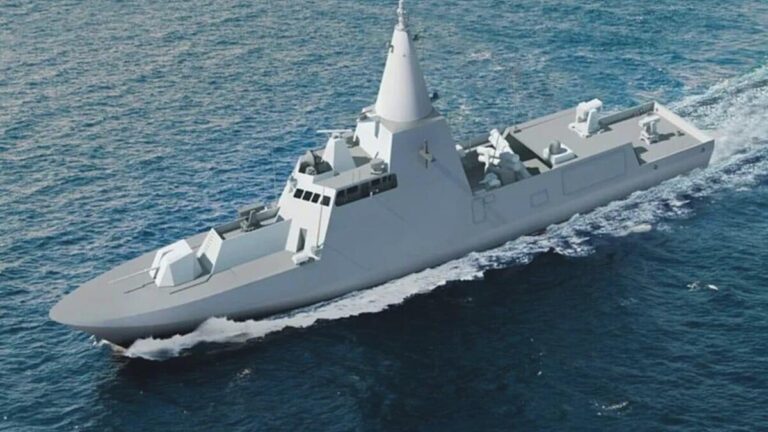
Italy expands defence cooperation with Kuwait through Leonardo naval systems, air force support, and regional military presence

USCIS Policy Requires Most Temporary Visa Holders to Leave the US to Apply for a Green Card

Hong Kong’da 45 Sigortacı Huanggang Limanı İçin Zorunlu Poliçe Kapsamını Genişletti

EIOPA, Yatırım Bağlantılı Sigorta Satışlarında Denetim İçin Görüş Topluyor

AM Best: Orta Doğu ve Kuzey Afrika Reasürörlerinde Özel Risk Ürünleri Öne Çıkıyor

Tower Insurance Fiji’de Yağış Sigortasından 278 Kişiye 27.050 Fiji Doları Ödedi

ABD’de İşveren Sağlık Sigortası Harcamaları Yüzde 18,8 Arttı: Artışın Yüzde 90’ı Fiyatlardan
