
Japan’s ispace Faces Another Setback in Lunar Exploration
Japan-based private space company ispace has encountered another hurdle in its quest for a successful lunar landing. Their second attempt to land a spacecraft on the Moon ended in failure after the lander, named Resilience, crashed onto the lunar surface on June 6. This marks the second disappointment for the company following a previous unsuccessful attempt in 2023.
Mission Failure Due to Hardware Issues
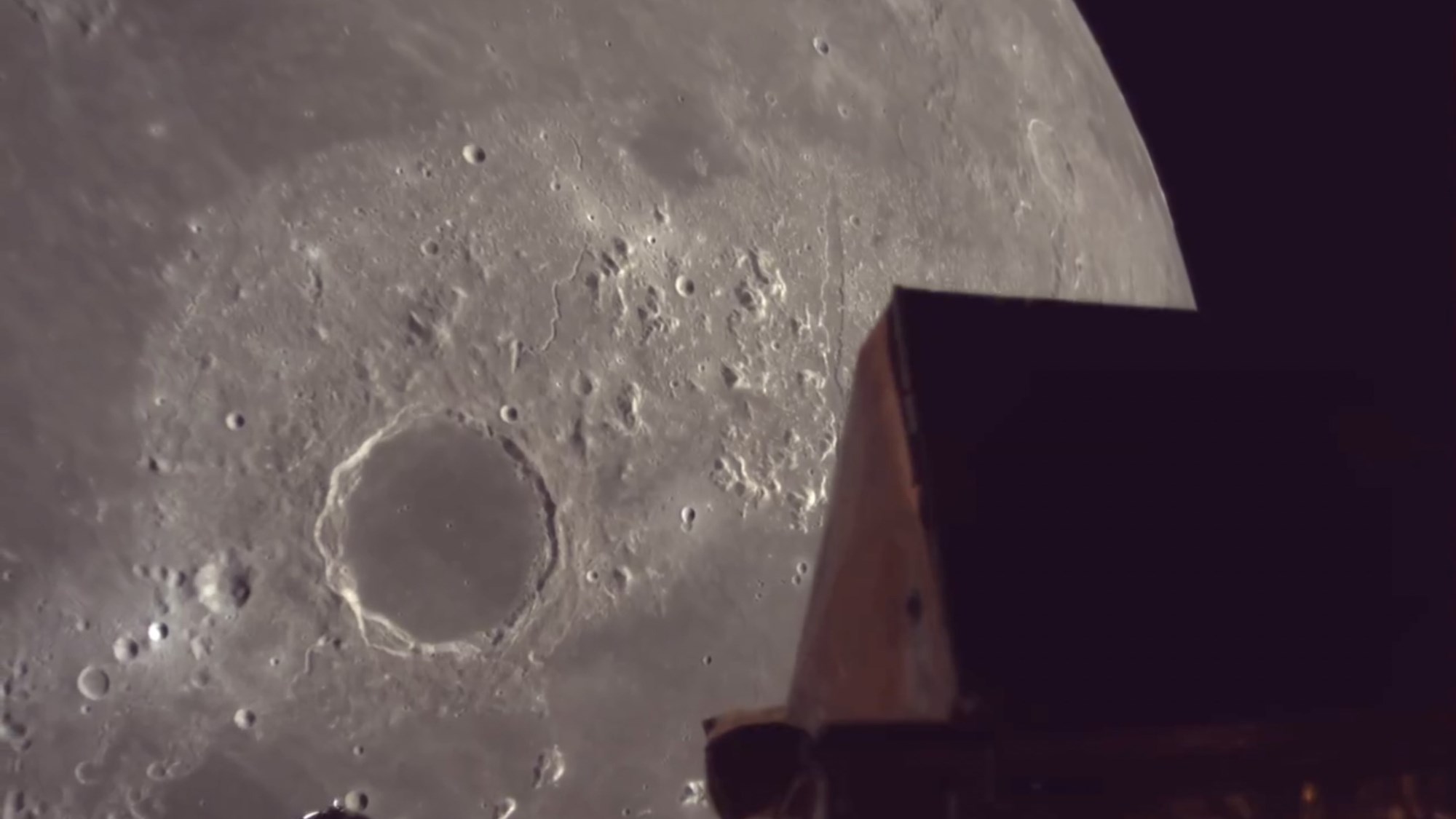
The mission intended for a soft landing in Mare Frigoris, one of the Moon’s northern regions. However, telemetry data from Resilience ceased approximately 90 seconds before the expected landing, indicating a possible equipment malfunction. “We aimed to achieve a successful Mission 2, but sadly, we couldn’t complete the landing,” ispace founder and CEO Takeshi Hakamada stated during a press briefing post-landing.
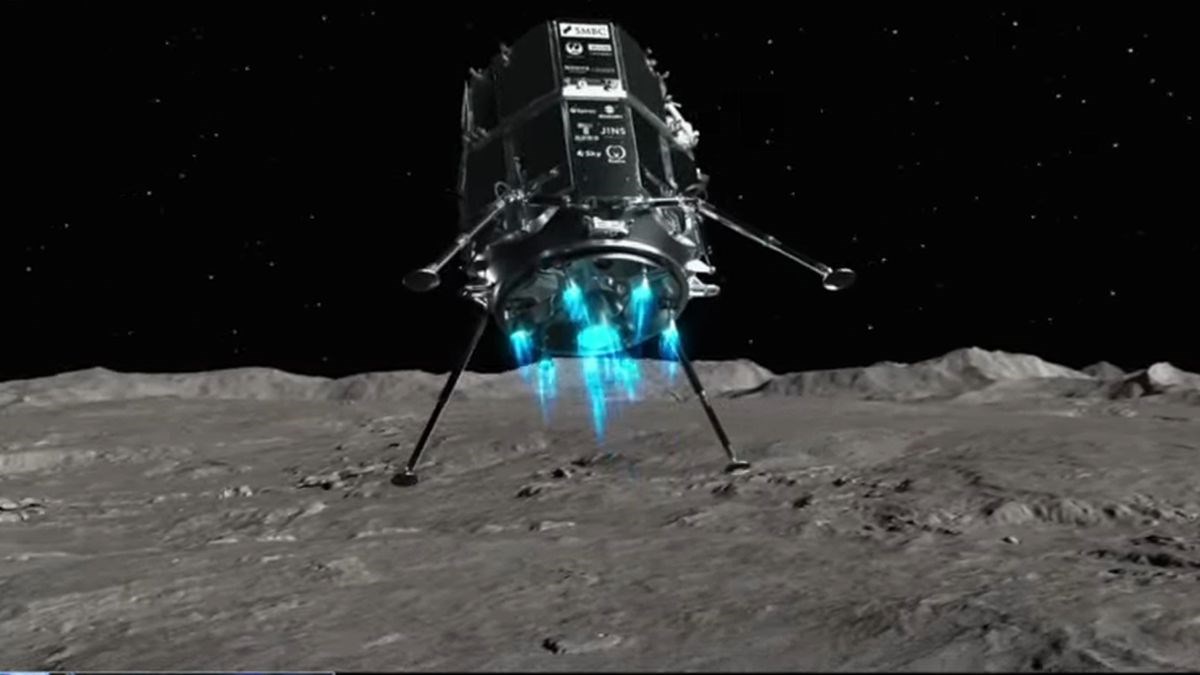
Initial assessments suggest that the laser distance measurement system of the lander failed to accurately determine the distance to the lunar surface in time. This malfunction caused the vehicle to slow down inadequately, leading to what engineers term a “hard landing”. It is highly unlikely that the spacecraft survived the impact.
Unrealized Payload Objectives
Standing at 2.3 meters tall and weighing 1,000 kilograms, Resilience was tasked with delivering five payloads to the Moon. Among these was Tenacious, a mini-exploration vehicle developed by the European Space Agency (ESA), intended to collect lunar soil samples and place a miniature artwork, the “Moonhouse” by Swedish artist Mikael Gensberg, on the surface. Unfortunately, due to the mission’s failure, these objectives remain unfulfilled.
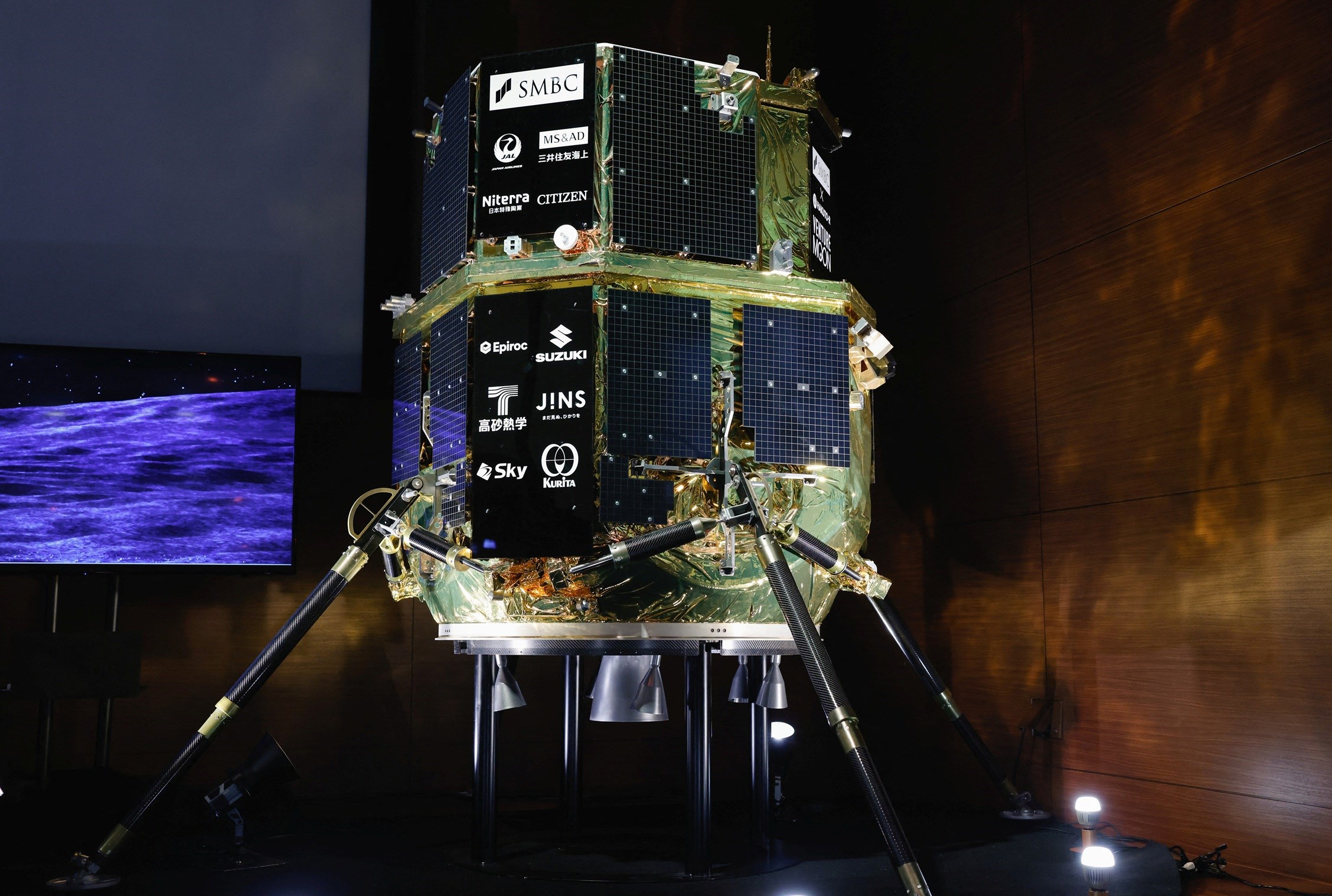
The lander also carried technologies crucial for future manned lunar missions, including a deep space radiation measurement device from Taiwan, a hydrogen-oxygen production technology from Japan, and a Malaysian biotechnology company’s experiment on algae production on the Moon.
Learning from Past Experiences
Launched on January 15 via a SpaceX Falcon 9 rocket, the “Hakuto-R Mission 2” featured a new generation lander following the first attempt in 2023. During the previous mission, the spacecraft misjudged a crater’s rim as a flat surface, leading to a crash. The company integrated lessons learned from that experience into the second mission, yet a delay in the laser landing system data resulted in a similar outcome.
Looking Forward with Determination
Despite the setbacks, ispace remains undeterred. “Our focus now is on pinpointing the root cause of the observed issues, which we will apply in Mission 3 and Mission 4,” CEO Hakamada emphasized. A successful landing would have marked Japan’s second soft Moon landing, following JAXA’s successful SLIM spacecraft landing in January 2024. ispace plans to proceed with two more lunar missions in 2027, utilizing a more advanced lander, the Apex 1.0, which is expected to weigh 2 tons.