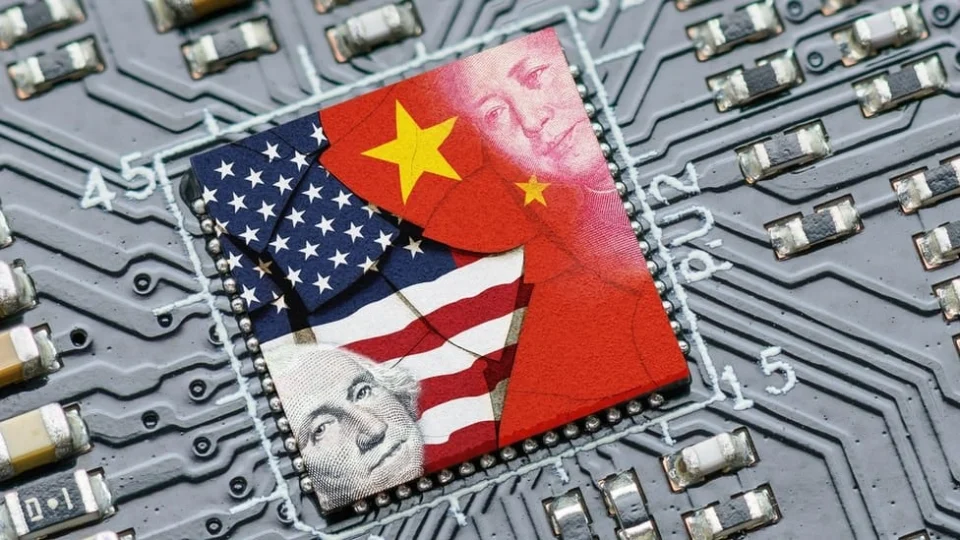
The Changing Landscape of Chip ImportsAmidst the ongoing trade tensions between the United States and China, the China Semiconductor Industry Association (CSIA) has announced a pivotal modification to its chip import policy. This new directive waives tariffs on semiconductor products originating from Taiwan, a move with significant implications for the industry.Implications for US-Based CompaniesUnder this revised policy, US tech giants such as AMD, Nvidia, and Qualcomm, who have outsourced their chip manufacturing to firms in Taiwan, will benefit from an exemption from the 125% tariff that China currently levies on US-manufactured goods. Conversely, companies like Intel, GlobalFoundries, and Texas Instruments, which produce their semiconductors domestically in the US, will remain subject to these elevated tax rates.Strategic Advantages for ChinaThis policy not only facilitates the unimpeded shipment of chips to China, ensuring continuous production in factories reliant on these components, but it also subtly affirms China’s stance on Taiwan as part of its territory. Additionally, it incentivizes the use of Taiwanese chipmakers such as TSMC and UMC, potentially attracting new clientele to these foundries.Challenges for the US Semiconductor SectorMany products manufactured in China incorporate chips from American companies. These include those made by Analog Devices, GlobalFoundries, NXP, or ON Semiconductor, or those manufactured in the US by contract manufacturers like Intel or GlobalFoundries. Consequently, businesses that currently rely on US-produced chips must now explore alternative sources, a process fraught with potential delays and increased costs, which could drive some firms to the brink of insolvency.
Impact of China’s New Chip Tariff Policy on the Semiconductor Industry
Explore how China's new chip tariff policy reshapes the global semiconductor industry, affecting supply chains and market dynamics.
 YazanSigorta Haber
Yayınlandı Güncellendi 2 dk okuma

YAZAR
Sigorta Haber
Finans ve ekonomi alanında uzman. Piyasa analizleri, yatırım stratejileri ve makroekonomik gelişmeler üzerine içerikler üretir.
Yazar profili ve tüm yazıları