
The Benefits of Homemade CandlesReady-made candles typically contain petrochemicals like paraffin, which may release harmful gases when burned, potentially impacting your health. Crafting candles at home has numerous benefits:Natural Ingredients: You can choose to use natural materials.Customizable: Create unique color and scent combinations to suit your preferences.Healthier: Avoid harmful chemicals in traditional candles.Economical: Save money compared to purchasing expensive store-bought candles.Personalized Gifts: Handcrafted candles make meaningful gifts for loved ones.Essential Ingredients for Candle MakingTo create candles at home, you’ll need the following basic ingredients:Main Materials:Paraffin, soy wax, or beeswax (opt for soy wax or beeswax for a natural and healthier candle)Wick: Cotton wicks are recommended.Use a ready-made candle wick or prepare your own with a cotton rope.Containers: Choose molds or glass jars for pouring the candle.Repurpose old cups, glass jars, silicone molds, or purchase special candle molds.Color and Fragrance (optional):Natural food dyes or specialized wax dyesEssential oils like lavender, vanilla, or orangeAdditional Tools:Double boiler for melting waxStirring stick (a wooden spoon works well)ScissorsStep-by-Step Candle Making Process1. Melt the WaxThe double boiler method is the safest way to melt beeswax or soy wax. Follow these steps:Fill a large saucepan with water and bring it to a boil.Place beeswax or soy wax in a smaller bowl and set it inside the boiling water.Allow the wax to melt over low heat, stirring with a wooden spoon to ensure even consistency.Tip: Beeswax or soy wax offers a healthier choice, while paraffin is more economical.2. Add Color and ScentTo personalize your candle:Add natural food coloring or wax dyes to the melted wax.For fragrance, incorporate a few drops of essential oils like lavender, orange, or vanilla into the molten wax and stir.Tip: Opt for natural essential oils instead of synthetic fragrances for a healthier candle.3. Prepare and Place the WickCenter the candle wick in the container you’ll use for pouring the candle.Use a stick or clothespin to keep the wick upright and centered.Tip: For a natural wick, soak a cotton string in melted beeswax.4. Pour the WaxCarefully pour the melted, colored wax into the container, ensuring the wick remains centered.Pour slowly to avoid creating air bubbles.Let the candle set at room temperature until fully solidified, which takes about 3-4 hours.Tip: Prevent cracks by avoiding sudden temperature changes.5. Trim the WickOnce the candle has solidified, trim the wick to an appropriate length with scissors.Your candle is now ready to be used or gifted!Tip: For an even burn, allow the candle to burn for at least 2 hours on its first use.Important Safety ConsiderationsWork in a space away from flammable materials.Ensure the wax doesn’t come into direct contact with water while melting.Control the temperature to prevent the wax from overheating.Use natural products wherever possible instead of synthetic additives.Exploring Candle VariationsSoy Candle: Offers a natural, non-toxic burn with a long lifespan.Beeswax Candle: Known for its air-purifying properties.Gel Candle: Its transparency allows for decorative elements like flowers and seashells to be embedded within.Coffee Candle: Imparts a delightful aroma by incorporating coffee grounds into the melted wax.
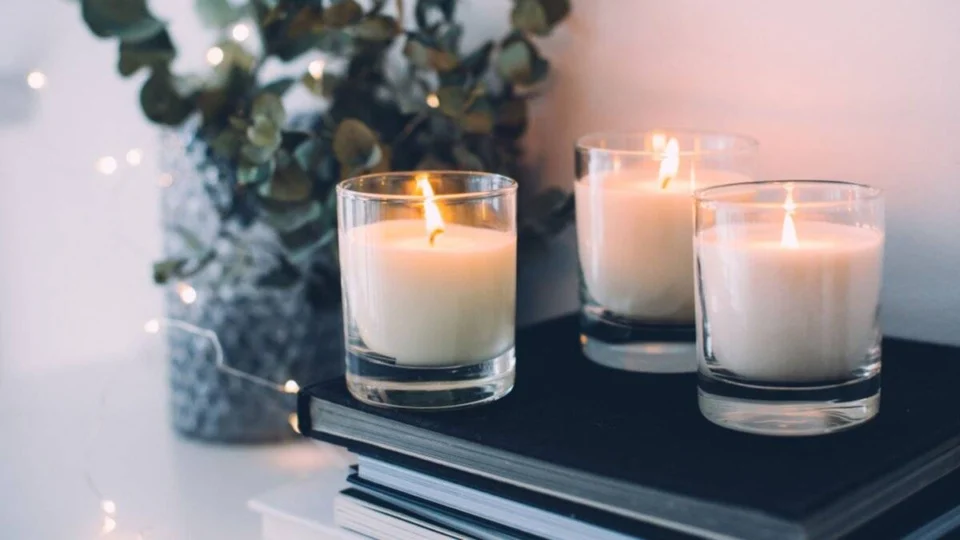
Guide to Crafting Natural Candles at Home
Discover how to craft eco-friendly candles at home with natural ingredients. Perfect for beginners seeking a sustainable DIY project.
 YazanSigorta Haber
Yayınlandı Güncellendi 3 dk okuma

YAZAR
Sigorta Haber
Finans ve ekonomi alanında uzman. Piyasa analizleri, yatırım stratejileri ve makroekonomik gelişmeler üzerine içerikler üretir.
Yazar profili ve tüm yazıları