

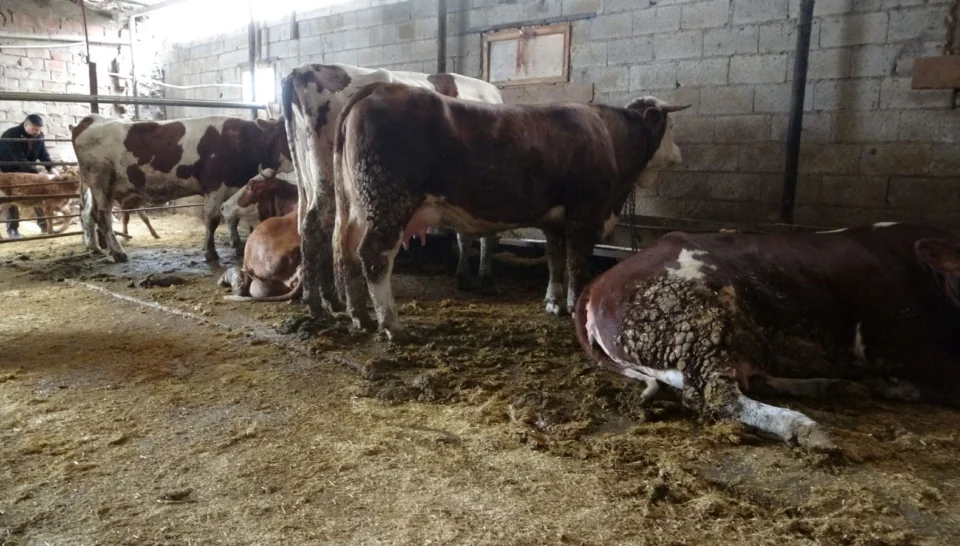
Bluetongue, often referred to as Blue tongue, is an infectious disease primarily affecting livestock such as sheep, cattle, goats, and camels. The disease is characterized by symptoms like congestion, edema, and hemorrhage, and is transmitted by biting midges from the Culicoides genus.
Pathogen and Transmission
The disease is caused by the Bluetongue virus, which belongs to the Orbivirus genus of the Reoviridae family. This virus is found in the blood of infected animals. When a midge bites a diseased animal, it can carry the virus to a healthy host through subsequent bites. These midges are particularly active during humid nights following rainy summer days. Another significant transmission route is through the semen of infected bulls, posing a risk to healthy cows.
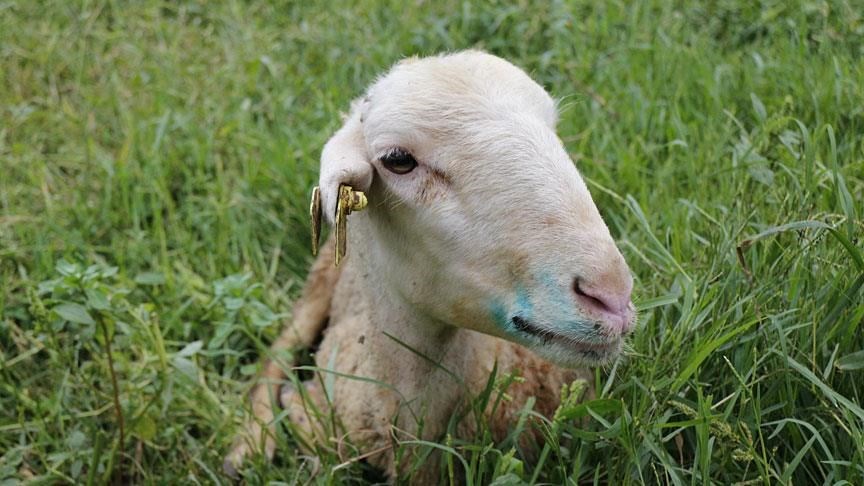
Symptoms of Bluetongue Disease
Cattle can harbor the virus without showing apparent symptoms, acting as reservoirs that facilitate disease spread to sheep. The virus can remain active in cattle blood for up to 14 weeks, even in the absence of midges.
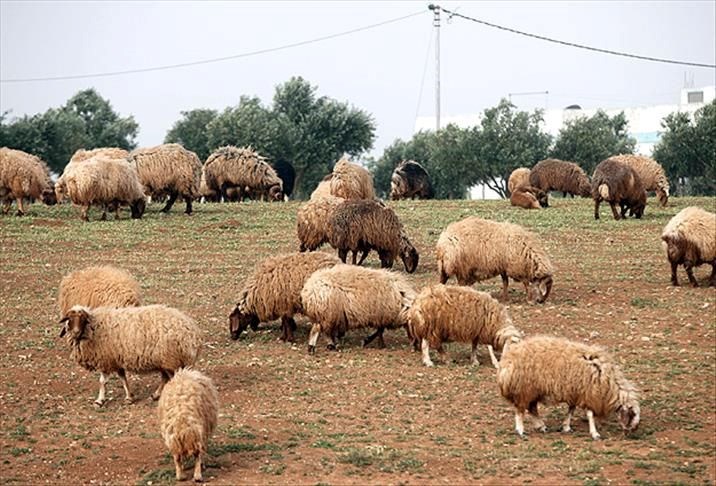
Clinical Signs in Sheep and Cattle
After an animal is bitten by an infected midge, symptoms typically surface within seven days. However, this incubation period can vary based on the animal’s breed and individual resistance. Merinos are notably more susceptible than other sheep breeds, and young lambs are at higher risk.
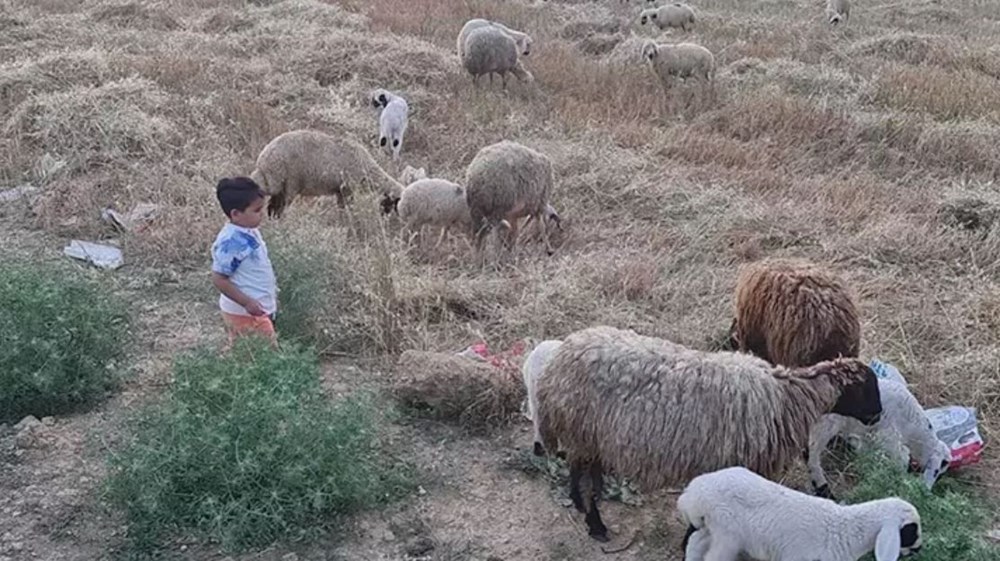
Typical symptoms include:

- Sudden fever reaching 40-42°C
- Lip sucking movements observed soon after fever onset
- Swelling of the tongue and lips, with the tongue taking on a bluish hue
- Initially watery, then purulent nasal discharge
- Ulcers and crusty sores in the mouth and nasal passages
- Lesions between the hooves, following healing of oral and nasal sores
- Reddened skin, breakage, and shedding of fleece
- In young animals, diarrhea and potential death occurring 2-8 days after symptom onset
In some instances, death may occur much later, with lamb mortality rates soaring to 95%. While cattle show milder symptoms that often go unnoticed, pregnant cows may experience abnormal calf births, known as AH syndrome, or stillbirths.