
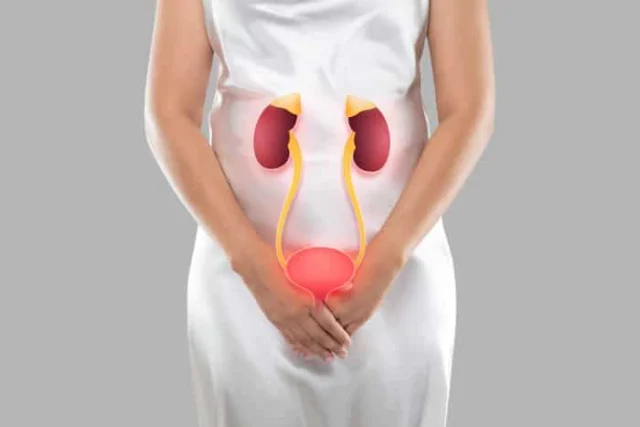
Understanding Urinary Incontinence in Women Urinary incontinence is a prevalent condition affecting one in three women, often leading to embarrassment and social withdrawal. This condition is more common in women than in men, primarily due to weakened pelvic floor muscles, which may occur congenitally or after challenging childbirths. The impact of urinary incontinence extends beyond physical discomfort, influencing social interactions and psychological health. Recognizing the Symptoms Urinary incontinence manifests in several forms, each with distinct characteristics: Stress urinary incontinence: Triggered by activities that increase abdominal pressure such as coughing, sneezing, laughing, or lifting heavy objects. It typically results from weakened pelvic support tissues. Urge incontinence: Characterized by a sudden, intense urge to urinate, often resulting in leakage before reaching the restroom. It is associated with an overactive bladder and may necessitate medication. Mixed incontinence: A combination of stress and urge incontinence symptoms occurring simultaneously. Overflow incontinence: A less common type where the bladder fails to empty completely, causing a constant dribble of urine, often related to nerve-related conditions like diabetes. Diagnosis Process Diagnosing urinary incontinence involves a comprehensive evaluation of the patient’s medical history, considering factors such as childbirth history, smoking habits, existing health issues, and lifestyle choices. In some cases, advanced diagnostic tests, like urodynamics, are conducted, particularly in patients with complex symptoms or prior treatments. Treatment Options Treatment plans are personalized based on the type and severity of incontinence. While surgical intervention is not always necessary, initial approaches often involve lifestyle modifications and exercises: Medication: Primarily used for managing urge-type incontinence. Surgical Interventions: TOT (Trans Obturator Tape): Involves placing a supportive tape under the urinary tract through a minimally invasive procedure, yielding successful outcomes. Laparoscopic techniques: Applied in cases involving pelvic organ prolapse. Non-surgical Options: Electromagnetic chair therapy: Stimulates pelvic muscles. Vaginal exercise balls: Enhance muscle strength. Vaginal laser therapy: Promotes muscle tone by rejuvenating vaginal tissue. Frequently Asked Questions What are the causes of urinary incontinence?Various factors including age-related tissue relaxation, multiple childbirths, obesity, and smoking contribute to urinary incontinence. What does stress urinary incontinence mean?It refers to involuntary urine leakage during activities that increase intra-abdominal pressure, like coughing, sneezing, or laughing. What is incontinence?Incontinence is the involuntary leakage of urine or feces, with urinary incontinence specifically involving urine. Does urinary incontinence resolve with medication?The effectiveness of medication depends on the incontinence type. While urge incontinence often responds well to medication, stress incontinence might require surgical or laser interventions. Preventive Measures Against Urinary Incontinence Urinary incontinence, a widespread issue impacting many women’s quality of life, can result from factors like age, childbirth, menopause, obesity, and chronic diseases. However, adopting certain lifestyle changes can significantly reduce the risk of developing this condition: 1. Pelvic Floor Muscle Exercises (Kegel Exercises) Regularly performing Kegel exercises strengthens the pelvic floor muscles, enhancing bladder control. These exercises are particularly recommended post-childbirth and during menopause. 2. Establishing Regular Toilet Habits Maintaining a routine of emptying the bladder every 3-4 hours prevents overfilling, aiding in the management of urinary urgency. 3. Regulating Fluid Intake While adequate water consumption is vital for bladder health, reducing fluid intake in the evening can prevent nighttime incontinence. Avoiding caffeinated beverages also minimizes bladder stimulation. 4. Maintaining a Healthy Weight Excess weight adds pressure to the pelvic area, complicating bladder control. Achieving and maintaining a healthy weight through balanced nutrition and regular exercise significantly lowers the risk of urinary incontinence. 5. Avoiding Smoking and Alcohol Smoking can exacerbate stress incontinence through coughing fits, while alcohol irritates the bladder, leading to incontinence. Eliminating these habits benefits both bladder and overall health. 6. Preventing Constipation Chronic constipation increases abdominal pressure, weakening pelvic muscles. Consuming fiber-rich foods and establishing regular toilet habits can mitigate this risk. 7. Bladder Training Delaying urination urges can enhance bladder capacity and control. However, this technique should be practiced cautiously and progressively. 8. Choosing Appropriate Clothing and Underwear Selecting loose-fitting clothing and breathable cotton underwear prevents irritation and reduces infection risk, promoting better bladder health.
Understanding and Managing Urinary Incontinence in Women
Learn about causes, symptoms, and treatments of urinary incontinence in women for better health management and improved quality of life.
 YazanSigorta Haber
Yayınlandı Güncellendi 3 dk okuma

YAZAR
Sigorta Haber
Finans ve ekonomi alanında uzman. Piyasa analizleri, yatırım stratejileri ve makroekonomik gelişmeler üzerine içerikler üretir.
Yazar profili ve tüm yazıları