

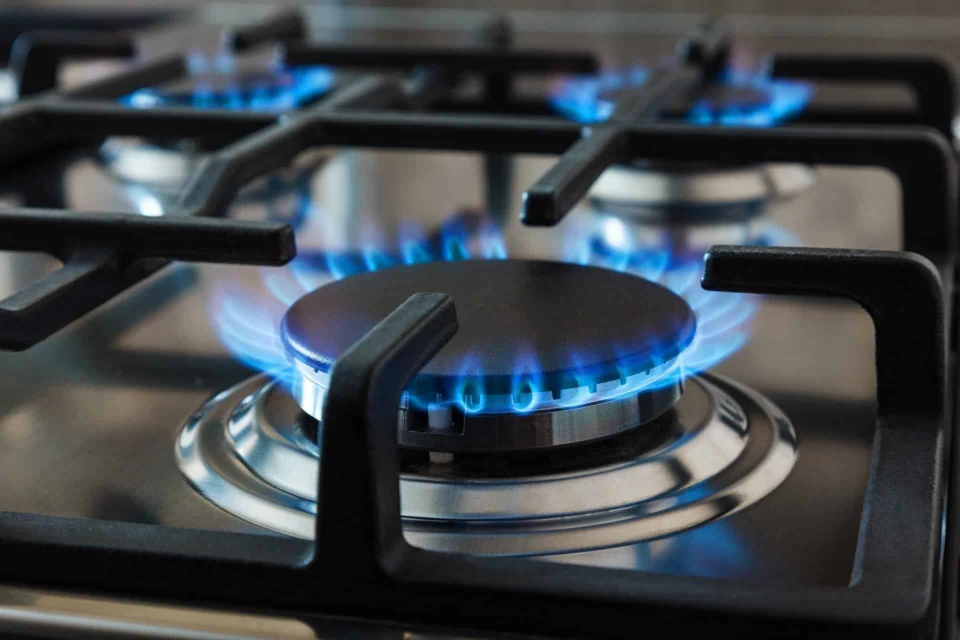
The Silent Threat of Benzene in Homes
Recent scientific studies have illuminated the significant risks associated with gas stoves, which not only impact the environment but also pose serious health threats. A collaborative study by esteemed institutions such as Stanford University and the University of California, Berkeley, has revealed that gas stoves emit benzene, a powerful carcinogen similar to that found in cigarette smoke, at levels that are harmful to human health. Of particular concern is that children are nearly twice as vulnerable compared to adults.
Perpetual Exposure
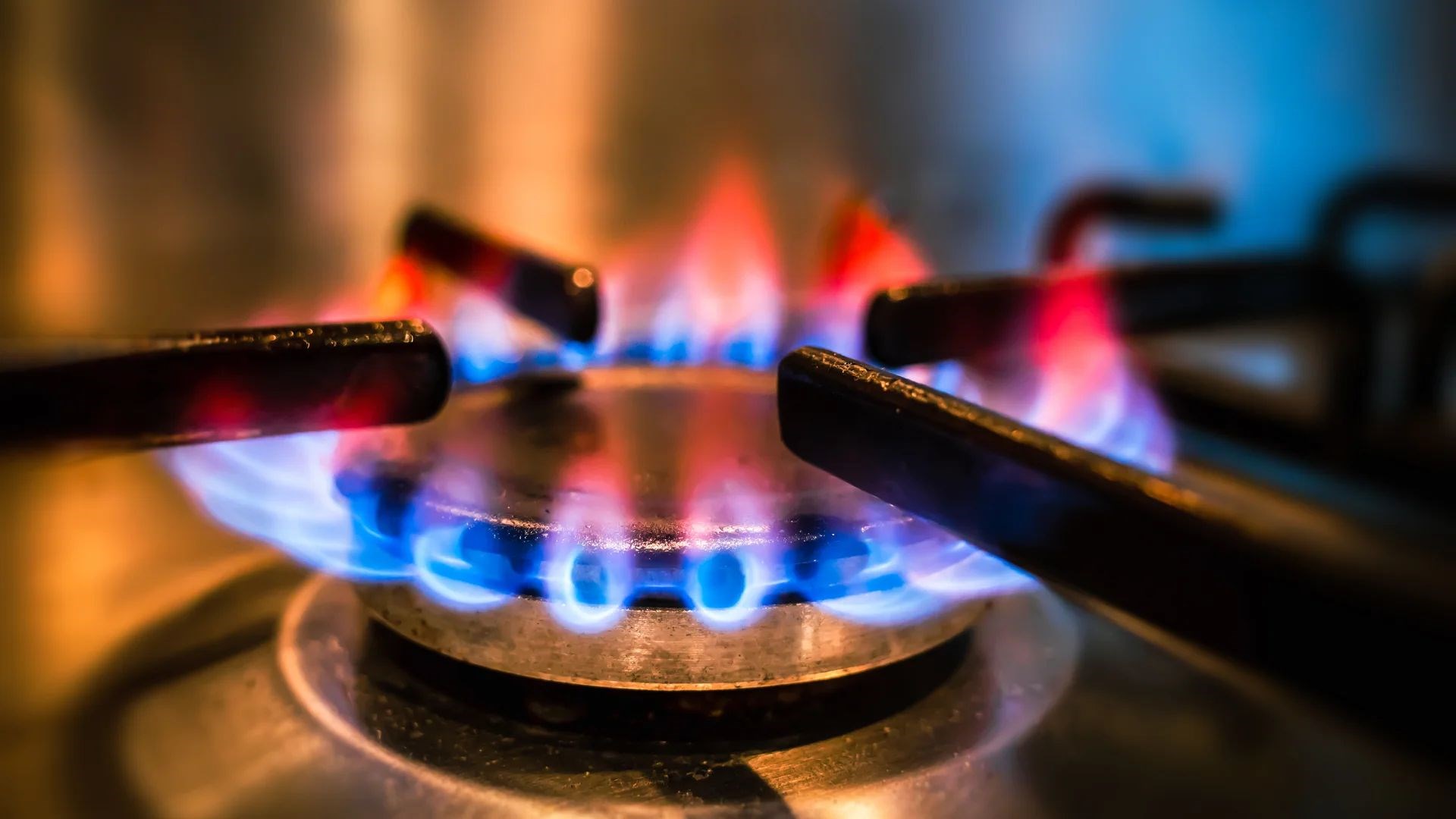
The research highlights that gas stoves (using natural gas, LPG, and similar fuels) continuously release benzene into the air, even when turned off, leading to constant exposure for individuals in homes using these appliances. This exposure is not confined to the kitchen; benzene travels to various parts of the house, increasing inhalation risks. According to Prof. Rob Jackson, a lead researcher, “High-efficiency exhaust fans or open windows can mitigate the risk slightly, but cannot completely eliminate it.”
In their study, researchers assessed benzene emissions from gas cookers in 87 homes, modeling how these emissions dispersed throughout the household. For the highest-emitting stoves (top 5%), the additional cancer risk for adults was calculated at 6 per million, with the risk for children soaring to 12 per million. This is well above the accepted threshold, where only one person per 70 years is expected to develop cancer from such exposure. Prof. Juana María Delgado-Saborit, an expert in environmental health, asserted, “This research quantifies the significant health risks associated with gas stoves, confirming benzene’s cancer-causing potential.”
In Turkey, where more than 15 million households utilize gas stoves, the implications are stark. Applying these study results suggests that over 2 million individuals in Turkey may face increased cancer risks due to benzene emissions from gas stoves. Prof. Delgado-Saborit advises transitioning to alternatives like electric stoves to safeguard public health.