
SİGORTAWORLD • SÜREKLİ DEĞİŞEN İÇERİKLER

2 dk okuma

China‘s Strategic Move in the GPU IndustryChina has been focusing on enhancing its domestic chip manufacturing capabilities, especially in the wake of US-imposed sanctions. One significant step in this direction is the country’s foray into the GPU sector, marked by the introduction of the MUSA SDK from local GPU manufacturer Moore Threads. This initiative is rapidly gaining traction, expanding its influence across various platforms.Introducing a Challenger to CUDANvidia’s CUDA platform has long been the dominant force in the realms of parallel computing and AI software development. However, the release of MUSA SDK 4.0.1 represents a formidable step forward for China. This latest version extends support beyond Moore Threads’ own graphics cards to include compatibility with Intel and ARM-based processors, along with systems prevalent in China, such as Hygon, Kylin, and Loongson.Key Features and InnovationsAt its core, the MUSA SDK operates similarly to NVIDIA CUDA, but it introduces a standout feature called MUSIFY. This tool empowers developers to convert existing CUDA-based code into the MUSA environment, significantly easing the transition process. The SDK also includes specialized libraries like muBLAS, muFFT, and muThrust, which offer solutions for mathematical operations and accelerated computations.Future Implications and MotivationsWhile the MUSA SDK might not yet rival CUDA on a global scale, its potential for growth is undeniable. The project’s momentum is driven by more than just technical ambition; it aligns with China’s broader strategy to reduce dependency on foreign technology. As such, the MUSA SDK is not merely a software endeavor but a critical component of China’s technological independence agenda.
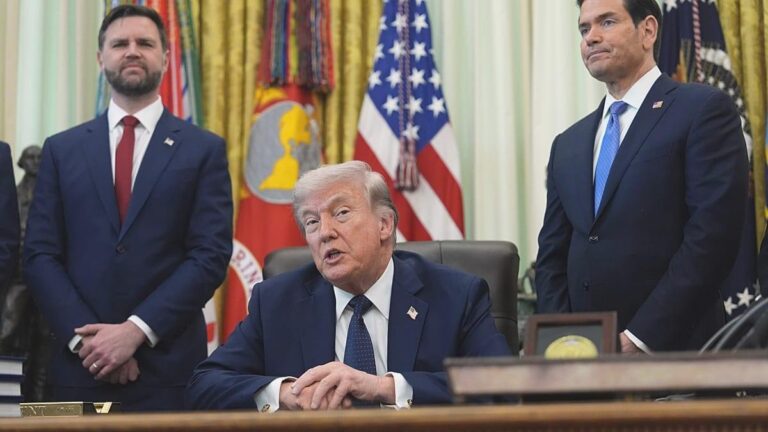
JD Vance Leads Early Contest to Succeed Trump as Marco Rubio Emerges as Main Alternative for 2028
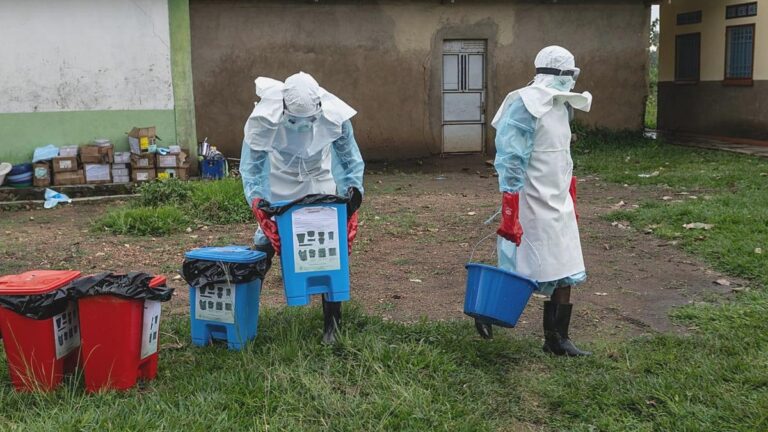
WHO Raises Ebola Public Health Risk to Very High in DR Congo as Cases Increase

Pakistan Army Chief Visits Tehran as US-Iran Talks Show Limited Progress

Xi Orders Full Rescue Response After Coal Mine Gas Explosion in Northern China Kills Over 80
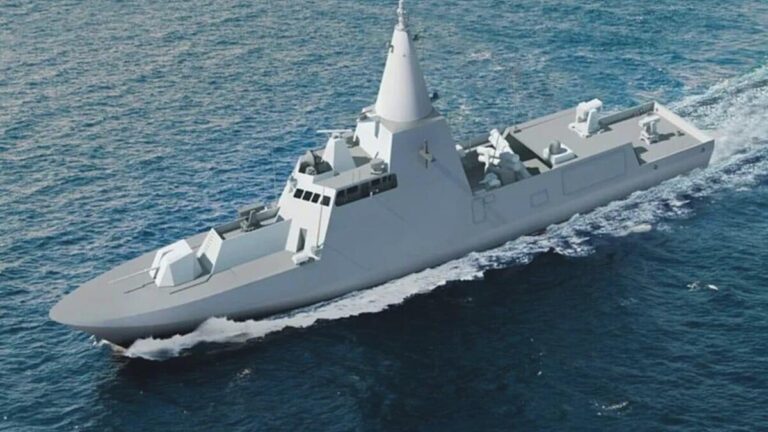
Italy expands defence cooperation with Kuwait through Leonardo naval systems, air force support, and regional military presence

USCIS Policy Requires Most Temporary Visa Holders to Leave the US to Apply for a Green Card
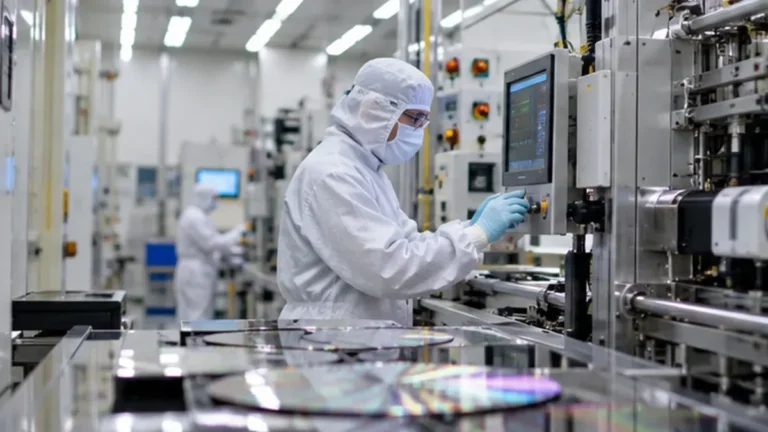
Dünyanın En Büyük 20 Çip Üreticisinde 529 Milyar Dolarlık Varlık: Atrium’dan Eksik Sigorta Uyarısı

Manulife, Küresel Operasyonlarında Kullanılacak Kurumsal Yapay Zekâ Platformunu Başlattı

Securian Financial, Uzun Ömür Planlaması İçin VUL Defender Hayat Sigortasını Yeniledi

Yeni Zelanda’da Danışmanlık Sigortasından 320 Bin Dolarlık Uzlaşma

Avustralasya’da Fidye Yazılımı Faaliyetleri Yüzde 600’ü Aştı: Siber Sigorta Piyasasında Kapasite Yüksek
