
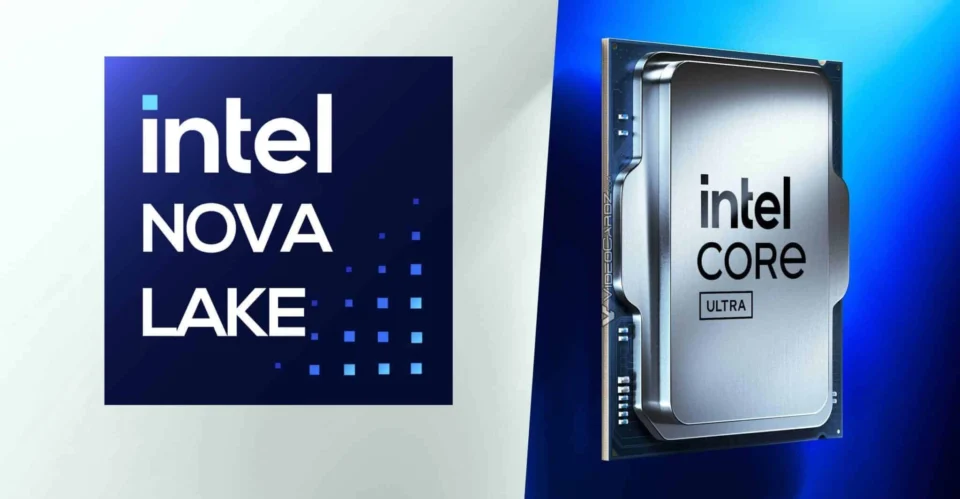
The Evolution of Intel‘s Processor LineupIntel is gearing up to revolutionize its processor lineup with the anticipated release of the 16th generation Nova Lake-S processors. These processors, which have been in development for an extensive period, are set to succeed the current Arrow Lake series.The New LGA 1954 SocketRecent confirmations have revealed that the Nova Lake-S CPUs will be supported by the LGA 1954 socket, marking a significant upgrade in Intel‘s hardware ecosystem. This new socket is designed to accommodate the advanced capabilities of the Nova Lake-S processors.LGA 1851 Socket: A Look BackThe previous LGA 1851 socket, introduced alongside the Arrow Lake-S processors, debuted with the 800 series motherboards. While it promised improved multi-threading performance, its impact on gaming performance did not meet expectations. In contrast, the Nova Lake-S series is anticipated to deliver a more aggressive architectural design.Enhanced Core and Manufacturing DetailsInitial reports indicate that the Nova Lake-S processors will feature up to 16 P-cores and 32 E-cores, signaling a substantial boost in multi-core performance. Intel plans to utilize both its proprietary 18A manufacturing technology and TSMC‘s cutting-edge processes. However, due to increasing costs, Intel may prioritize its own foundries for the final production phase.Core Ultra Series PositioningIntel is expected to position the Nova Lake processors under the Core Ultra Series 4 branding. Meanwhile, the previous generation’s mobile-focused Panther Lake processors will be categorized as Core Ultra Series 3. With the introduction of the new socket, we can also anticipate the emergence of 900 series motherboards.Future ProspectsInterestingly, the LGA 1954 socket might not be exclusive to Nova Lake-S processors. There is speculation that it could support future processor lines, including the potential Razer Lake series, further enhancing Intel’s processor roadmap.
Upcoming Intel Nova Lake-S Processors and LGA 1954 Socket
Explore the future of computing with Intel's Nova Lake-S processors and the LGA 1954 socket, promising breakthrough performance and innovation.
 YazanSigorta Haber
Yayınlandı Güncellendi 2 dk okuma

YAZAR
Sigorta Haber
Finans ve ekonomi alanında uzman. Piyasa analizleri, yatırım stratejileri ve makroekonomik gelişmeler üzerine içerikler üretir.
Yazar profili ve tüm yazıları