
Huawei Faces Setbacks in AI Accelerator Ambitions
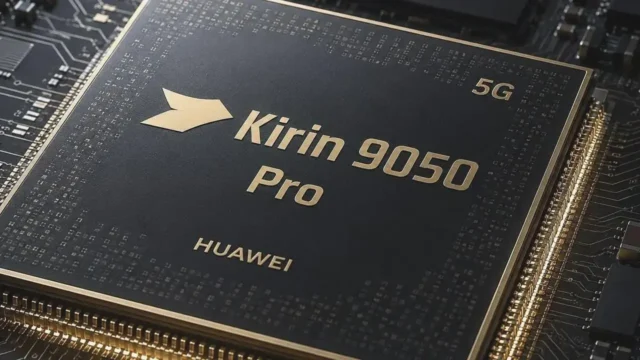
Huawei, which had carved out a significant niche in the Chinese market by taking bold strides after Nvidia‘s flagship products became subject to U.S. export restrictions, has recently encountered significant obstacles. The company has been forced to reconsider its strategy due to emerging issues with overheating and inefficiency.
Huawei’s Disappointment
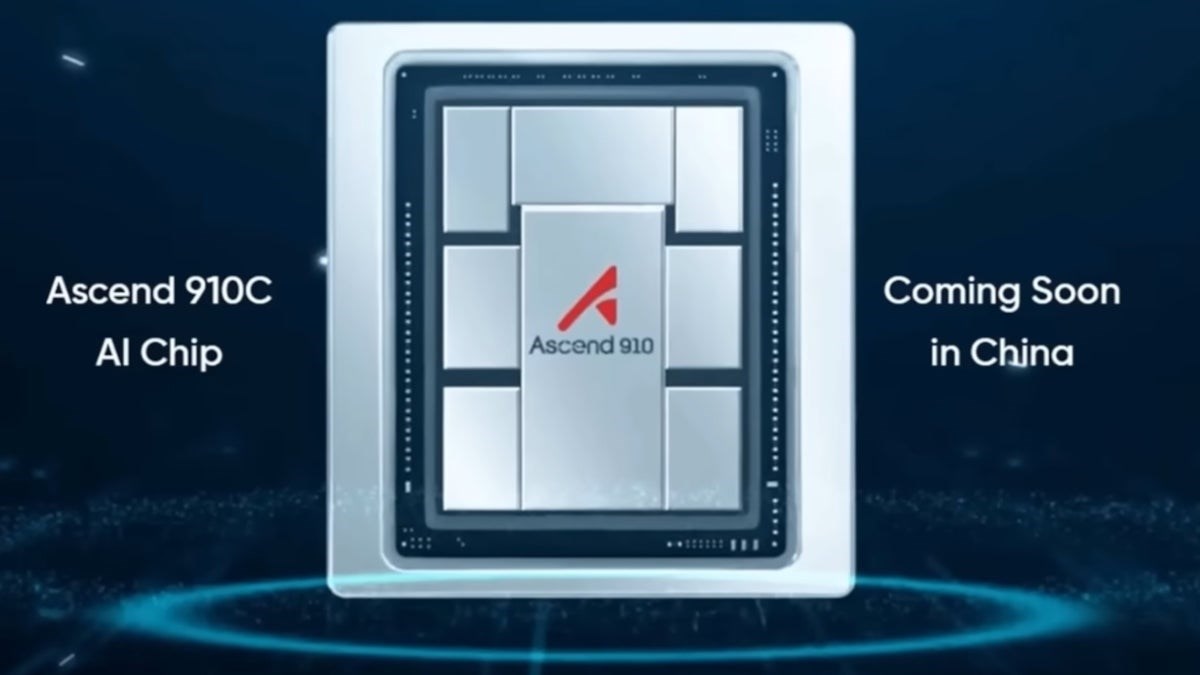
It was recently brought to light that Huawei’s Ascend 910C accelerator, touted as a competitive alternative to Nvidia’s offerings, is experiencing notable heating and software challenges. This has led major players like Alibaba to hesitate in placing substantial orders. Moreover, Huawei’s CANN platform, which was introduced as a rival to the well-established Nvidia CUDA software platform, has been found lacking in performance.
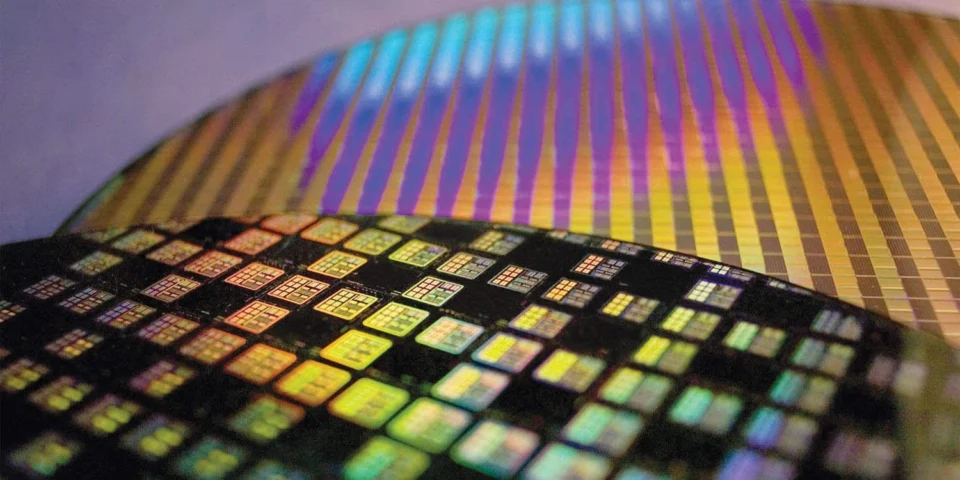
As per new reports, Huawei has decided to delay the production of its Ascend 910C accelerator to later in the year. Apart from the technical difficulties, the company is grappling with supply chain disruptions. The production of these new chips was supposed to be handled by SMIC using the 7nm+ process technology.
This development coincides with Nvidia’s release of the more budget-friendly yet lower-performing Nvidia B40 chip, which gives Nvidia a significant market edge. Meanwhile, this situation might present AMD with a valuable opportunity to capitalize on the current market gap.