
The Emergence of a New Threat
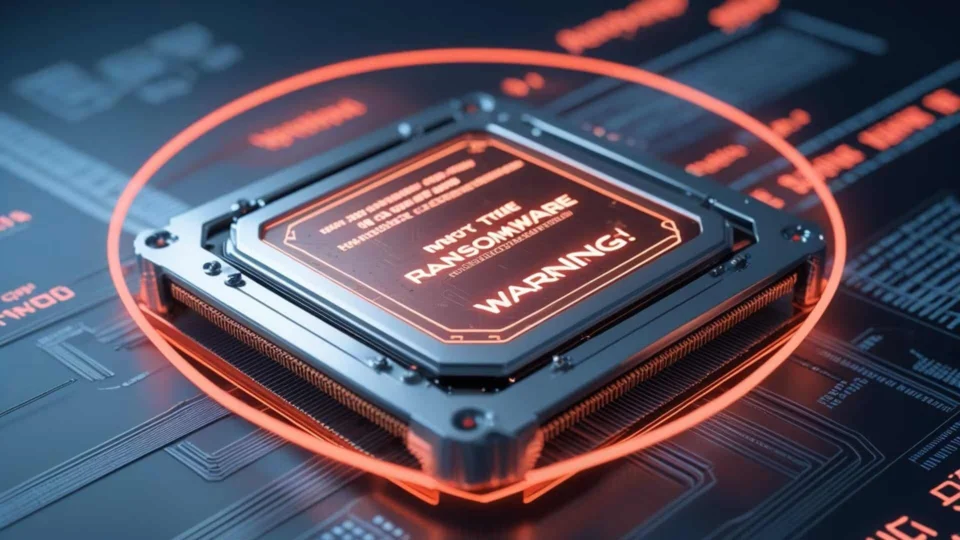
The cybersecurity landscape has witnessed a groundbreaking revelation with the development of the world’s first CPU-level ransomware. This unprecedented threat was conceptualized by Christiaan Beek, the director of threat analytics at Rapid7. Unlike traditional ransomware that targets software, this variant operates directly at the processor level, effectively bypassing current security infrastructures.

Exploiting AMD’s Zen Vulnerability
Beek’s innovation leverages a critical vulnerability identified in AMD‘s Zen architecture. This flaw allows attackers to inject unauthorized microcode into processors, thereby gaining the ability to manipulate encryption and alter processor behavior at a fundamental level. Google’s Security Team had earlier uncovered this vulnerability affecting AMD Zen 1 through Zen 4 processors. Subsequent investigations confirmed that the Zen 5 series was similarly compromised.
Prototype Ransomware: A New Dimension
Utilizing this vulnerability, Beek has crafted a prototype ransomware capable of modifying processor behavior and overseeing encryption processes at the hardware level. Remarkably, this malware can persist even after the operating system is reinstalled. Although the prototype’s code remains confidential, its existence underscores the potential for real-world exploitation.
Insights from Conti Ransomware Gang
Beek’s research also delved into the leaked 2022 chat logs of the Conti ransomware syndicate. These logs revealed discussions about embedding ransomware into the UEFI, aiming for persistent encryption that survives even after Windows reinstallation. This highlights the expanding ambitions of cybercriminals.
The Imperative of Hardware Security
In light of these developments, Beek emphasizes the critical need for prioritizing hardware security in cyber defense strategies. He warns that relying solely on strong passwords and software-based solutions will be insufficient unless vulnerabilities at the CPU and firmware levels are effectively addressed.