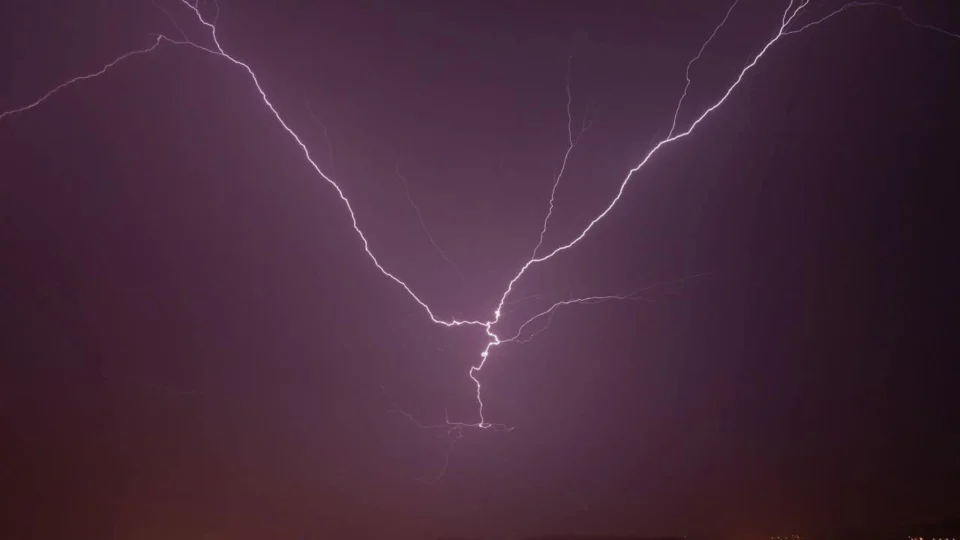
Introduction of a Pioneering Lightning Guidance TechnologyJapan’s Nippon Telegraph and Telephone Corporation (NTT) has unveiled an innovative drone-based lightning guidance system, marking a world-first in the field. This cutting-edge technology is designed not to prevent lightning but to redirect it safely away from crucial infrastructures. As detailed in their announcement, the system is poised to protect urban centers and essential facilities following successful field trials.Addressing the Economic Impact of Lightning in JapanLightning strikes in Japan lead to significant annual financial losses, estimated between 100 and 200 billion Yen (about 1.4 billion USD). Beyond monetary impact, lightning poses substantial risks to human life and safety. Traditional lightning rods often fall short, especially in challenging installations like wind turbines, propelling NTT to innovate this novel system.How the System WorksThe experimental setup by NTT involves assessing lightning risks using ground-based electric field observations. Upon detecting increased risk, a specially designed drone ascends. During a test on December 13, 2024, the drone rose 300 meters with a ground-connected cable and successfully “attracted” a lightning strike.Drone Resilience and Future AspirationsIn this test, the drone sustained a substantial electrical discharge and continued to operate, thanks to its protective cage. Pre-test lab evaluations confirmed the drones’ capacity to withstand discharges up to 150,000 amps. Looking forward, NTT aims not only to refine lightning prediction capabilities but also to research methods for the safe energy storage of directed lightning strikes.
NTT Develops Revolutionary Drone-Based Lightning Guidance System
Discover NTT's innovative drone-based system directing lightning strikes safely, revolutionizing storm management and electrical safety.
 YazanSigorta Haber
Yayınlandı Güncellendi 2 dk okuma

YAZAR
Sigorta Haber
Finans ve ekonomi alanında uzman. Piyasa analizleri, yatırım stratejileri ve makroekonomik gelişmeler üzerine içerikler üretir.
Yazar profili ve tüm yazıları