
SİGORTAWORLD • SÜREKLİ DEĞİŞEN İÇERİKLER
2 dk okuma


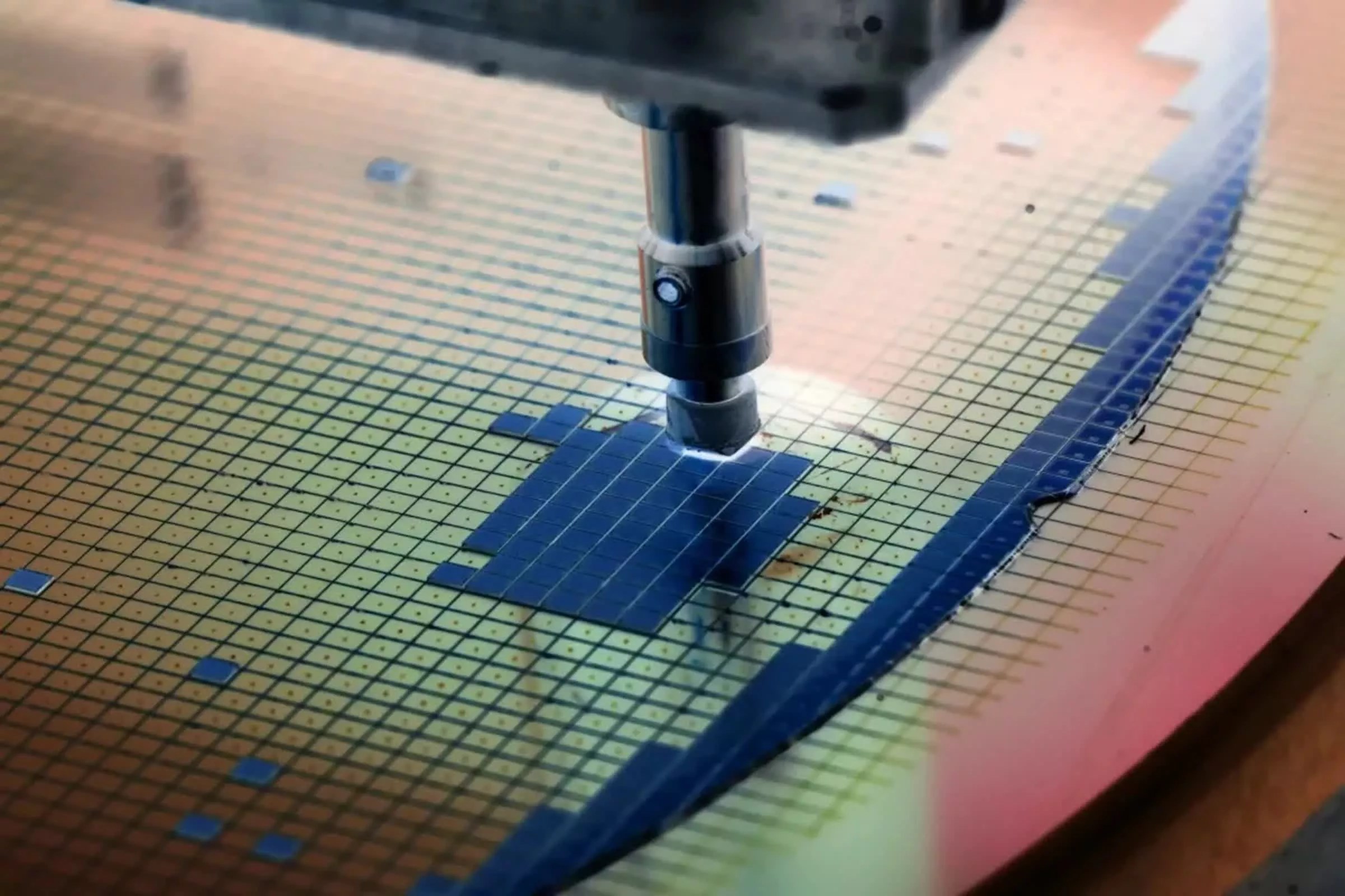
Taiwan Strengthens Control Over Semiconductor SectorTaiwan has enacted significant amendments to the Industrial Innovation Act, aiming to bolster its control over the pivotal semiconductor industry. These legislative changes are designed to impose new constraints on the export and investment activities of its leading semiconductor companies, notably the Taiwan Semiconductor Manufacturing Company (TSMC).Keeping Advanced Technologies at HomeThe centerpiece of these regulations is the N-1 rule, which restricts companies from exporting their cutting-edge semiconductor manufacturing technologies. Under this rule, only technologies that are a generation behind what is available domestically can be deployed in international facilities. This stipulation implies that while TSMC can produce 2nm chips in Taiwan, it will only be able to produce 3nm chips overseas. Taiwan’s Prime Minister, Cho Jung-tai, has endorsed this policy, which is expected to impact TSMC’s expansion plans in the United States, ensuring that its latest innovations remain within Taiwan’s borders. These regulations are anticipated to take effect by the end of this year.Securing Taiwan’s Technological EdgeThis initiative is driven by a clear objective: to safeguard Taiwan’s technological superiority and protect national security amid escalating geopolitical tensions and intensified competition in the global semiconductor arena. The fear is that if Taiwan loses its leading edge in semiconductor technology, it might face increased threats, including potential aggression from China.Currently, TSMC is at the forefront of the industry with its N3P process node. The company is poised to commence production of chips using the advanced N2 process node later this year, with plans to introduce N2P and A16 processes by the close of 2026.Monitoring Overseas InvestmentsBeyond technology, the amendments empower the government to reject or nullify overseas investments that pose risks to national security, economic development, international agreements, or unresolved labor issues. Companies aiming to invest abroad will now require prior approval, with potential fines ranging from 50,000 to 1 million Taiwan Dollars (approximately 30,800 US Dollars) for unapproved investments. Severe or recurrent breaches could incur penalties up to 10 million Taiwan Dollars (approximately US$308,000) if they overlook national security or economic threats.While these penalties are significant, it’s unlikely that major players like TSMC will be deterred by them. The company has already announced intentions to invest 165 billion dollars in its US operations.
JD Vance Leads Early Contest to Succeed Trump as Marco Rubio Emerges as Main Alternative for 2028

WHO Raises Ebola Public Health Risk to Very High in DR Congo as Cases Increase

Pakistan Army Chief Visits Tehran as US-Iran Talks Show Limited Progress

Xi Orders Full Rescue Response After Coal Mine Gas Explosion in Northern China Kills Over 80

Italy expands defence cooperation with Kuwait through Leonardo naval systems, air force support, and regional military presence

USCIS Policy Requires Most Temporary Visa Holders to Leave the US to Apply for a Green Card

Avustralya’da IAG, RAC Insurance Satın Alımı İçin Yeni Taahhütler Sundu

Lloyd’s Asia, Asya’da Sigorta Koruma Açığını Azaltmak İçin GAIP’e Katıldı

FM, Parametrik Sigorta ve Captive Çözümleriyle Alternatif Risk Transferini Genişletti

Chariot Re, Japonya Bağlantılı 1,6 Milyar Dolarlık Reasürans İşlemini Tamamladı

Avrupa’da Sigortacılar İklim Kaynaklı Hasarlarda Teminatlarını Daraltıyor
