
After an intense 13-hour parliamentary debate, Latvia’s lawmakers made a landmark decision to renounce the Istanbul Convention — a treaty created by the Council of Europe to protect women from violence and domestic abuse. The pact, which came into effect internationally last year, aims to ensure equal protection standards and resources for victims across member states.
However, the convention has encountered strong opposition from conservative circles throughout Europe. Critics argue that the treaty promotes ‘gender ideology’ and undermines traditional family and societal structures. In Latvia, the move to withdraw officially began in September, spearheaded by opposition members with later support from governing coalition partner, the Union of Greens and Farmers.
Political Tensions within the Governing Coalition
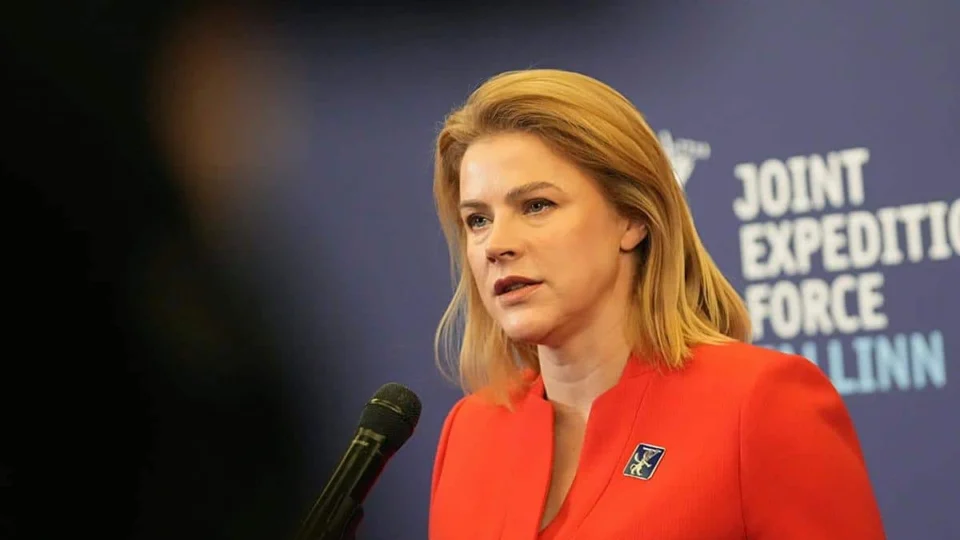
Prime Minister Evika Siliņa, who took office in 2023 with a commitment to ratify the convention, condemned the withdrawal efforts. She emphasized that women already at risk are now witnessing their struggles turned into political leverage. On her social media statement, Siliņa called the process ‘cruel’ and urged lawmakers to reconsider the broader implications.
The unexpected collaboration between opposition and coalition lawmakers revealed visible fractures within the ruling alliance, posing new challenges ahead of the 2026 parliamentary elections. This internal discord may influence both governance stability and Latvia’s international reputation regarding human rights protection.
Reactions and Public Response
Human rights defenders reacted sharply to the decision. Tamar Dekanosidze from the organization Equality Now described the move as an act that endangers women and emboldens anti-democratic tendencies across Europe and Central Asia. She stated that such actions weaken the rule of law and erode hard-won protections for victims of violence.
Although President Edgars Rinkevics publicly voiced his opposition to the withdrawal, constitutional procedure requires him to sign off on Parliament’s resolution. Local media outlets note that Rinkevics may not have the constitutional power to override this legislative outcome.
Public opinion remains divided. Approximately 5,000 demonstrators gathered outside the Parliament in Riga to protest against the withdrawal, displaying banners calling for the protection of women’s rights. In contrast, a smaller group of about twenty activists held a counter-demonstration in favor of the decision, highlighting the intense divide within Latvian society.
As Latvia steps into this uncertain phase, the decision’s political and humanitarian consequences could reshape its European relationships and domestic discourse on gender equality and the protection of human rights.