
Impact of U.S. Restrictions on Chinese Chipmakers
The U.S. government’s escalating restrictions under the Trump administration have increasingly constrained Chinese chipmakers, significantly impacting their design capabilities. Notably, these restrictions have created substantial hurdles for companies like TSMC and have placed Xiaomi in a challenging position.
Potential Threats to Xiaomi’s Xring O1
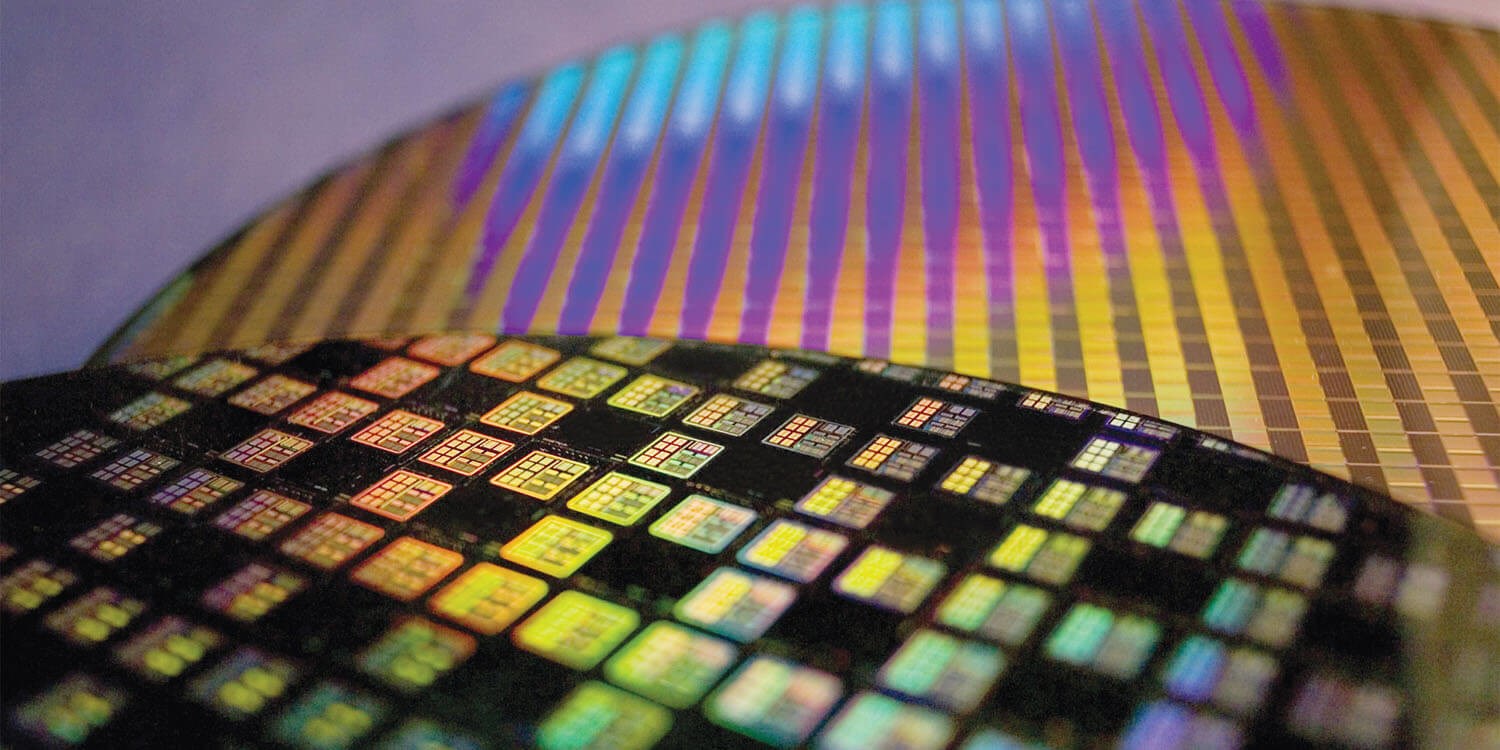
The Xring O1, Xiaomi’s pioneering processor, initially generated considerable excitement due to its competitive performance, rivaling that of the Snapdragon 8 Elite. Crafted using TSMC’s advanced 3nm technology, the chip’s future now faces uncertainty. The U.S. administration’s decision to ban the provision and utilization of advanced electronic design automation (EDA) tools by Chinese firms has cast a shadow over the Xring’s prospects.
These EDA tools are crucial for developing GAAFET transistor structures within TSMC’s 2nm process, a technology Xiaomi will no longer be able to access. Consequently, future iterations of Xiaomi’s Xring chips may be constrained to the 3nm process, posing a competitive disadvantage. Additionally, Lenovo’s self-designed chip is reportedly facing similar setbacks due to these restrictions.