
Iron and Salt Based Battery System: A Renaissance in Energy Storage
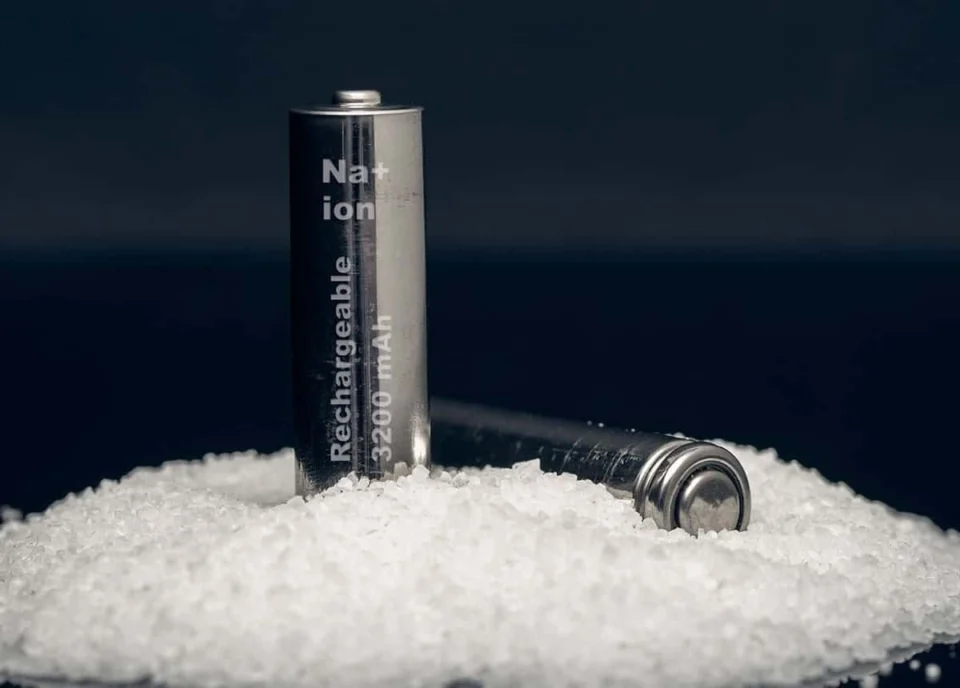
The growing prevalence of renewable energy sources necessitates robust energy storage solutions to ensure system stability and continuity. Traditional battery technologies, however, often fall short due to limitations in cost-effectiveness and safety. Enter a once-forgotten technology: the Iron and Salt Based Battery System.
Originally conceptualized in the 1980s, ‘Iron Sodium Salt Batteries’ were initially shelved due to their cumbersome weight and reduced charge-discharge efficiency. Now, thanks to innovative advancements by the US-based company Inlyte, these batteries have been rejuvenated. By utilizing abundant iron and salt instead of scarce, costly lithium, these batteries promise a dramatic reduction in storage costs from $135 per kWh to a mere $35.
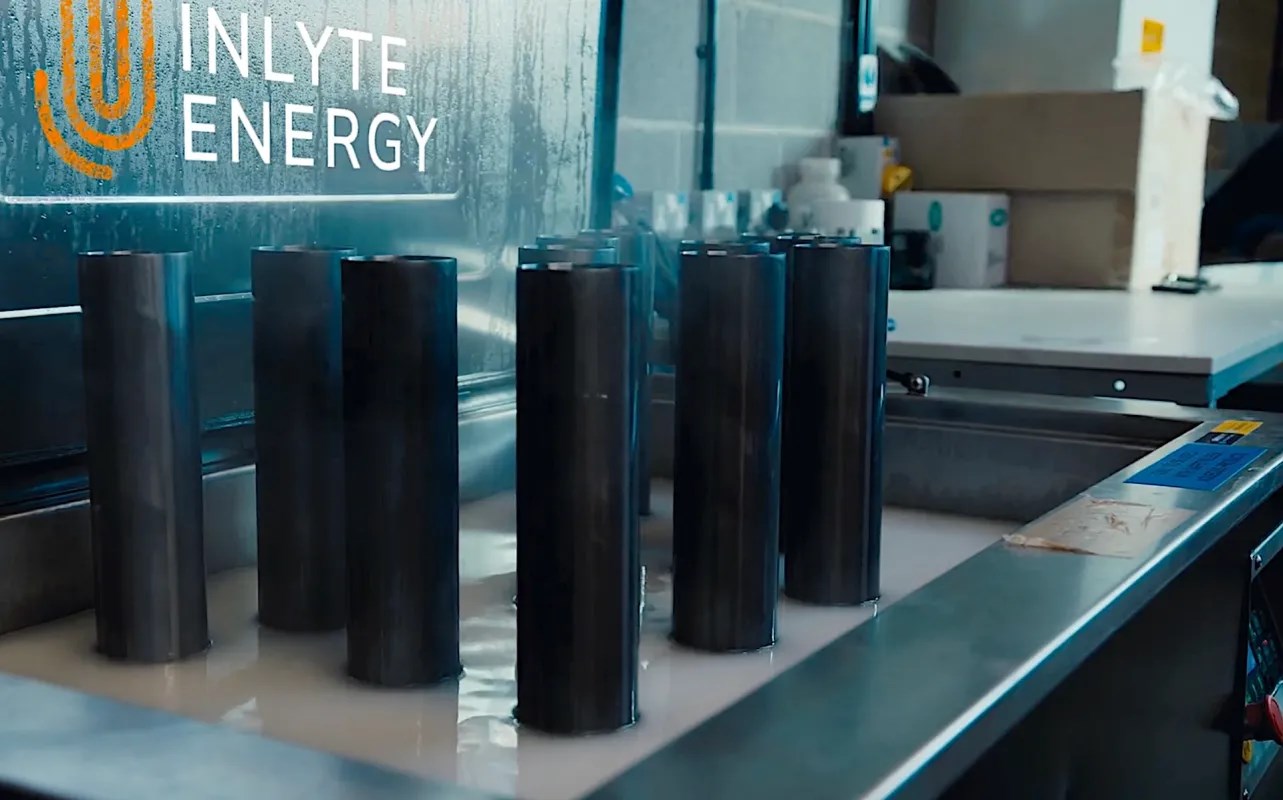
Achieving 24-Hour Energy Storage
While traditional lithium-ion batteries typically offer only a 4-hour energy storage capability, Inlyte’s groundbreaking system is engineered to extend from 4 to 10 hours. Through its modular design, this battery system can be scaled to deliver up to 24 hours of uninterrupted power when needed. For instance, an 80 kW battery deployed in an initial project is capable of storing 1.8 MWh of energy, equating to approximately 18.5 hours of energy supply.
Simple Production and Extended Lifespan
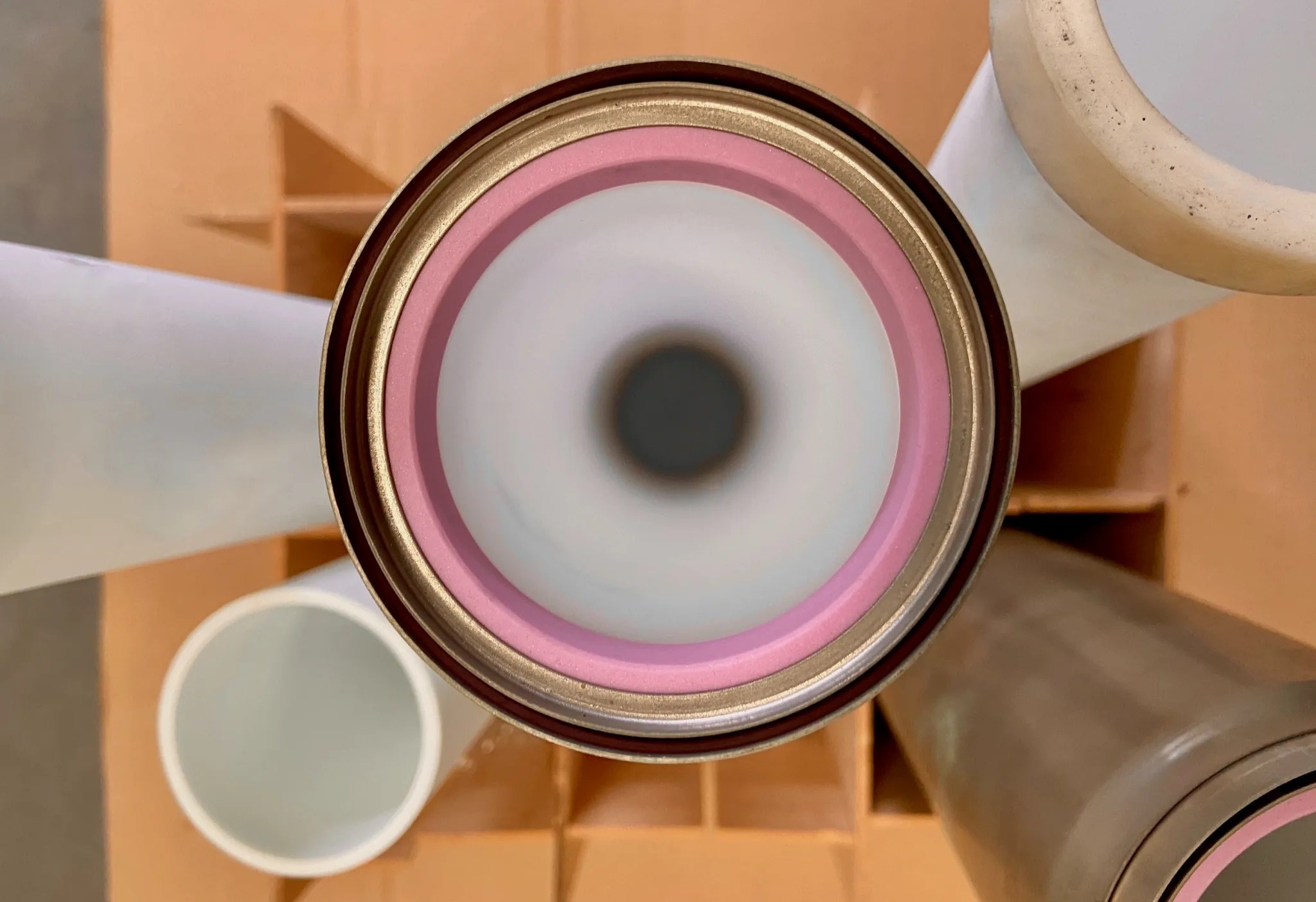
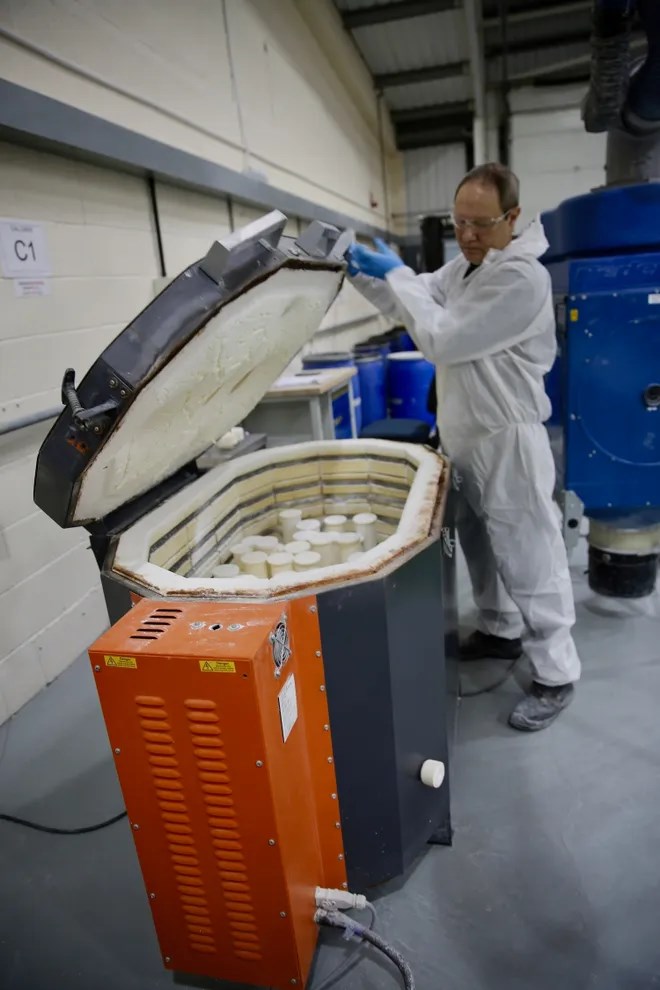
The production process is straightforward: powdered iron and salt are encapsulated in a ceramic container. This simplicity translates to significantly lower investment costs compared to lithium-based batteries. Initial tests have shown no capacity loss after 700 charge-discharge cycles, maintaining an impressive 90% efficiency. This suggests a potential lifespan reaching 7,000 cycles, or roughly 20 years.
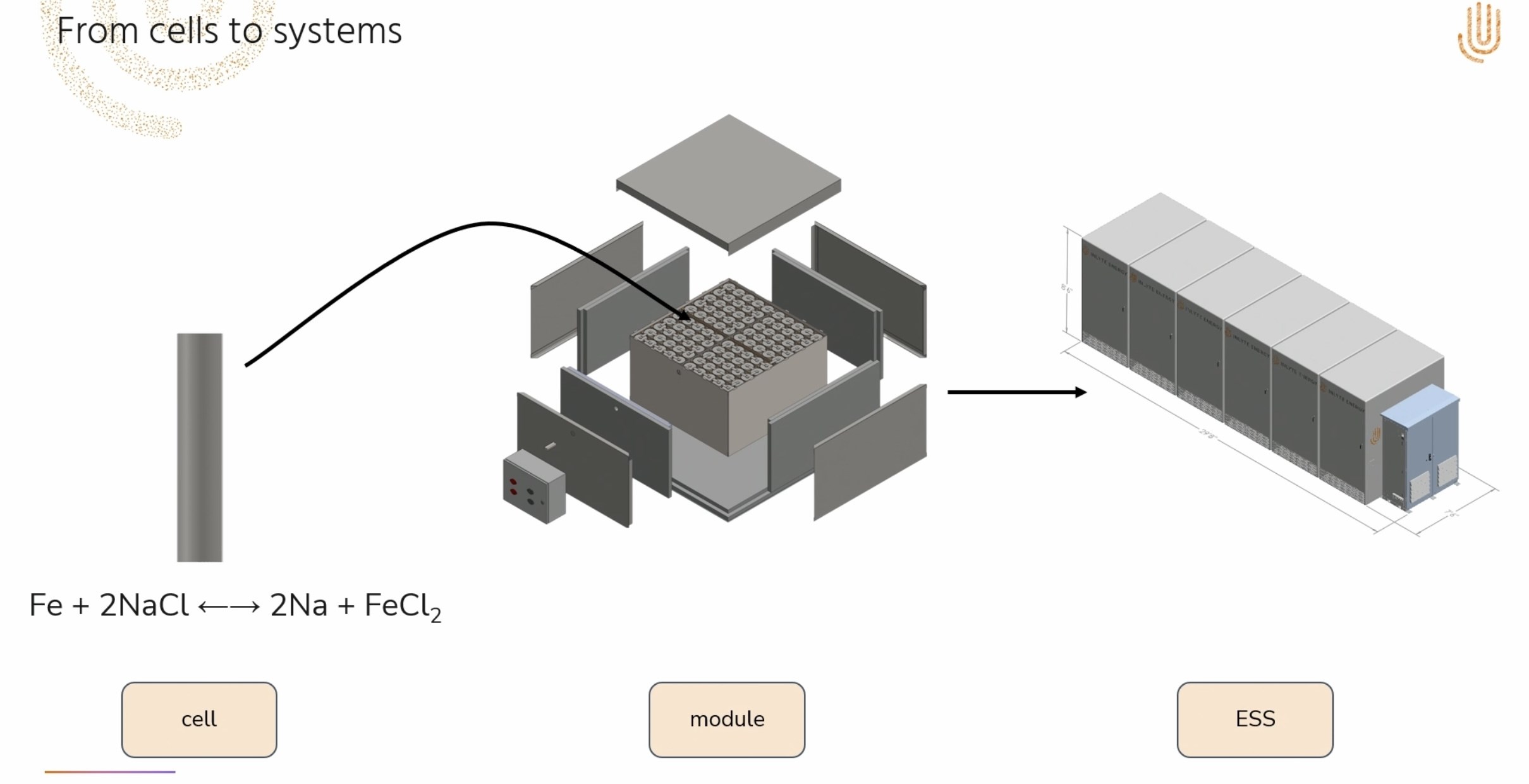
Although this technology is not ideal for electric vehicles, it offers substantial benefits for grid-scale applications, data centers, and large energy facilities. Even in renewable energy-forward regions such as California, solar panel subsidies are dwindling, while in Turkey, new solar and wind power plants mandate storage solutions. This battery technology emerges as a formidable candidate to bridge these gaps.
Essentially an updated version of the ZEBRA battery, this technology was tested by Mercedes-Benz in the 1990s but was overshadowed by the rapid adoption of lithium-based systems. Inlyte has reimagined it by substituting nickel with the more affordable and sustainable iron, enlarging the system by 20-fold, and experimenting with novel cathode materials to optimize performance. Currently, Inlyte is conducting pilot production in the UK, with plans to commence mass production by 2027 through a partnership with the US firm Horien. Future strategies also include establishing eight production facilities globally.