

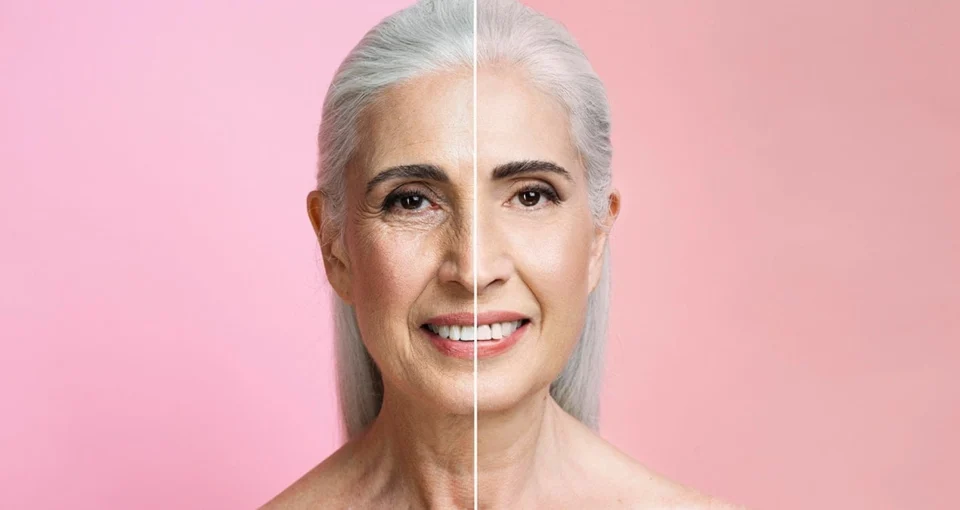
The Evolution of Life Expectancy
In the early 20th century, the average life expectancy across the globe hovered around 47 years. Fast forward to today, and in some nations, it exceeds 83 years. Japan, in particular, sees its centenarian population growing by 4% annually. This raises a crucial question: What role does medicine play in this shift? More importantly, can we not only extend our lifespan but also enhance the quality of those extra years?

What is Aging? Is it Possible to Slow it Down?
A pivotal discussion in contemporary medicine revolves around whether aging should be classified as a disease. Researchers acknowledge that aging isn’t just about time passing but involves cellular energy depletion and deterioration. Recognizing the nature of aging is essential for slowing its pace. Key biomarkers of aging include telomere shortening, mitochondrial dysfunction, protein accumulation, epigenetic alterations, and disruptions in circadian rhythms (Nature Aging, 2023).
Top 5 Accelerators of Aging
1. Irregular Sleep Patterns: Inconsistent bedtimes interfere with melatonin and crucial repair hormone release.
2. Excessive Sugar Intake: High sugar levels accelerate wear and tear on the skin and vascular systems due to glycation.
3. Sedentary Lifestyle: Lack of physical activity diminishes mitochondria numbers and muscle mass.
4. Chronic Stress: Elevated cortisol levels impair immunity and damage telomeres.
5. Poor Eating Timings: Late meals disturb the circadian rhythm, slowing down metabolism.
Steps to Maintain Youthfulness
– Prioritizing sleep before 11:00 PM maximizes melatonin production.
– Regular physical activity rejuvenates mitochondria and maintains muscle mass. Engaging in 150 minutes of walking or resistance training weekly can delay muscle aging.
– Cutting down sugar consumption can lower both vascular and cellular ages.
– Supplements like Vitamin D, omega-3, and B12 bolster age-related defenses (Harvard Health Publishing).
A Simple Test: Evaluate Your Age Through Movement
Attempt sit-ups for one minute and note your count:
- Over 40: Excellent
- 30-39: Good
- 20-29: Fair
- Under 20: Your biological age might be elevated.
Globally, the 90+ age group is expanding swiftly. Instead of merely accepting aging, scientists are actively working on strategies to slow and manage it. The quest to decelerate, if not completely halt, aging is underway.
What is Longevity?
Longevity, in its simplest form, refers to a long life. In modern science, it encompasses not just the quantity of years lived but also the quality. Researchers now emphasize “biological age” over “chronological age.” Essentially, it assesses how old the body seems, the extent of damage incurred, and the level of cellular degeneration. “Your heart might be 60, but your muscles could be 45, and your blood vessels might be 70.” (Source: Harvard Medical School, Aging Biology Review, 2023)
Methods to Determine Your Biological Age
Your chronological age is what’s listed on your ID. However, biological age reveals the actual cellular wear and tear. How can one assess this age?
Home or Clinic Tests:
- Epigenetic Clock: Estimates biological age via DNA methylation, typically supported by labs.
- Blood Markers: Levels of IGF-1 (growth hormone), CRP (inflammation), HbA1c (blood sugar control), and creatinine provide insights into biological age.
- Eye Test: Devices can estimate brain age based on retinal blood vessel age.
- At Home: Tracking pulse rate, sleep quality, muscle strength, and reflex speed offers a rough biological age estimate. Tests include a 6-minute walk test, VO2 max, and balance tests.
Reliability of These Tests
No single test provides absolute accuracy. A combination of multiple tests offers a scientific perspective on aging pace. Some private clinics offer these as “longevity profiles.”
Mechanisms Initiating Aging
Scientists believe aging isn’t arbitrary destruction but a discernible process. Nine primary biological causes determine aging:
- Genetic Instability
- Telomere Shortening
- Epigenetic Changes
- Protein Imbalance
- Mitochondrial Dysfunction
- Cellular Senescence
- Stem Cell Depletion
- Cellular Communication Disruption
- Metabolic Perception Disorders
Each mechanism is distinct and potentially targetable today. Let’s explore some:
1. Telomere Shortening: Human cells can divide a finite number of times, known as the “Hayflick limit.” With every division, telomeres safeguarding chromosome ends shorten. Once depleted, the cell either dies or becomes nonfunctional (Nature Aging). This biological phenomenon is a clear aging indicator.
2. Mitochondrial Fatigue: Mitochondria, the cell’s powerhouses, accumulate DNA damage over time. As we age, their efficiency declines, manifesting as fatigue, immune deficiencies, and muscle deterioration (Harvard Medical School, 2022).
3. The Epigenetic Clock: Cellular age is determined not only by chronological years but also by chemical DNA modifications. Epigenetic changes, like “DNA methylation,” have emerged as pivotal biological age markers (Horvath Epigenetic Clock).
4. Protein Waste Accumulation: The failure to clear misfolded proteins underlies many age-related diseases, including Alzheimer’s. Aging cells struggle to eliminate these wastes.
5. Inflammaging (Chronic Inflammation): Persistent low-level inflammation, even without visible infection, erodes cells. It’s directly linked to cardiovascular diseases, diabetes, and cancer risks in older adults.
Looking Forward:
- 8 drugs that slow aging
- Longevity Molecules: NAD+, NMN, Does Metformin work?
- Is Metformin only for diabetics?
- Can Rapamycin slow aging by 20%?
- Why should those with a history of cancer be wary of these supplements?