
Introduction to a New Bacterial Species
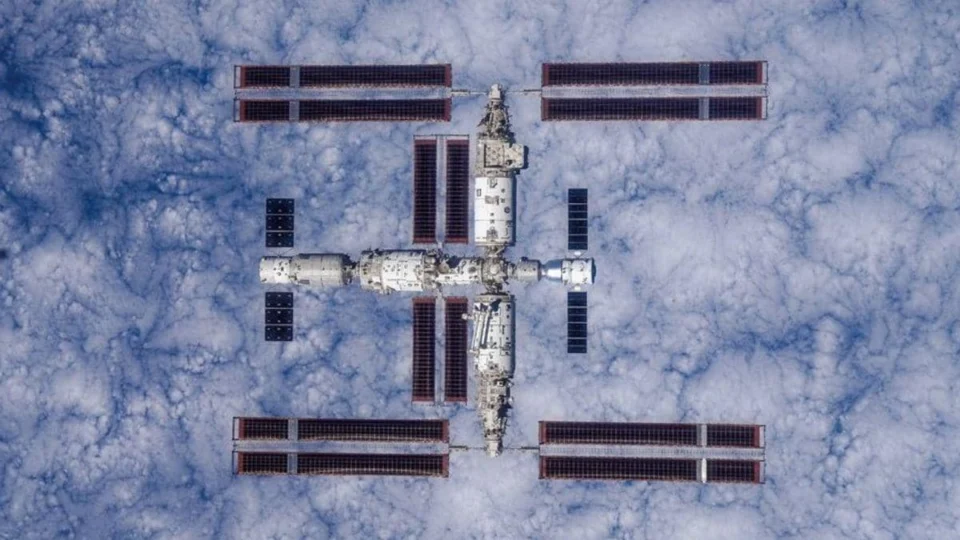
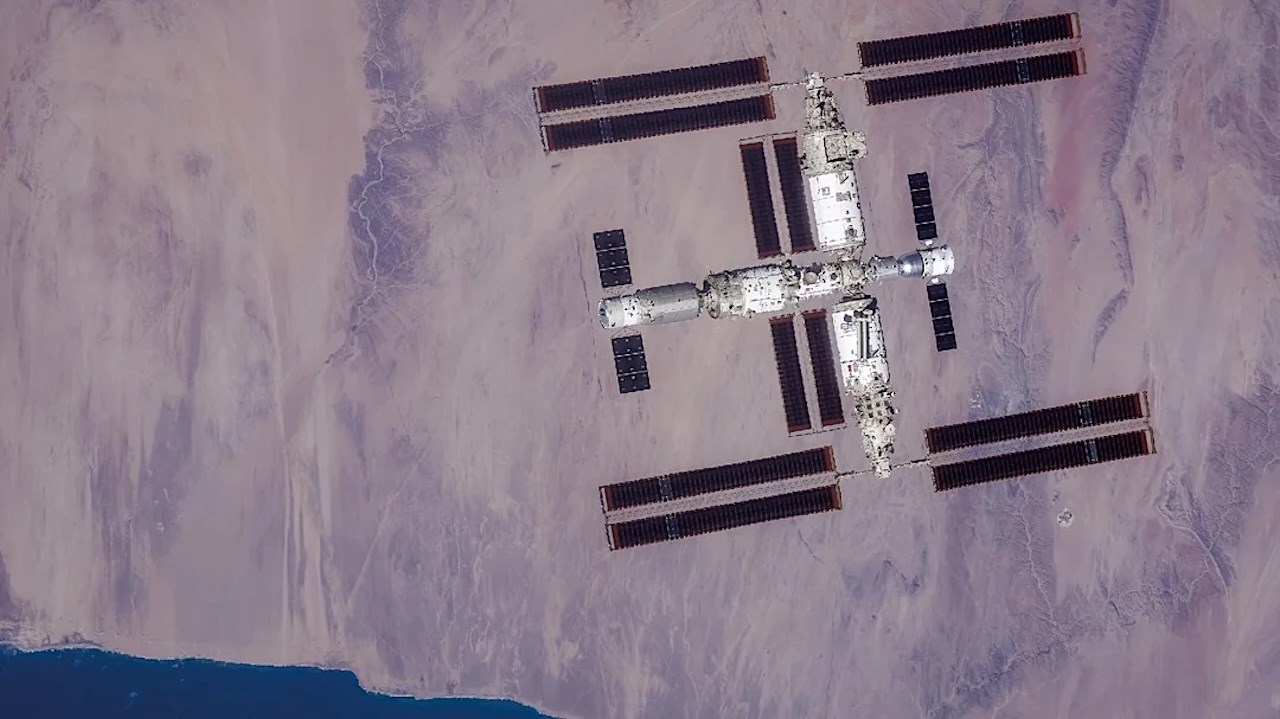
During a series of microbiological analyses conducted aboard China‘s Tiangong Space Station, researchers have identified a novel bacterial species that has not been previously observed on Earth. This microorganism has been aptly named Niallia tiangongensis, a nod to its space-faring roots on the station. It represents a space-adapted variant of a known terrestrial soil bacterium.
Unique Adaptations for Space Survival
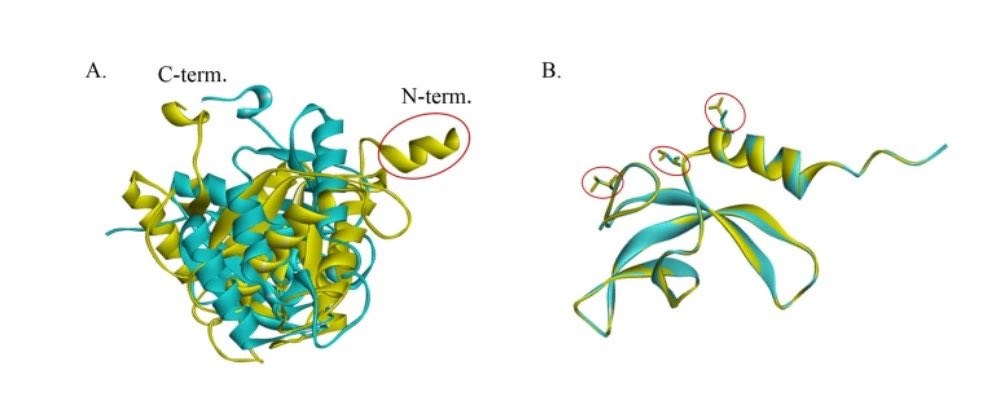
The bacterium was discovered through samples gathered by astronauts from various compartments of the station during the Shenzhou-15 mission in 2023. These samples, collected with sterile techniques, were frozen and transported back to Earth for comprehensive study. The analyses revealed that Niallia tiangongensis shares closest genetic ties with Niallia circulans, a species typically found in soil, sewage, and some food products. The original form of this bacterium is known to cause sepsis in immunocompromised individuals.
However, the space-evolved Niallia tiangongensis exhibits distinct genetic adaptations that enable it to withstand the extreme conditions of space, such as intense radiation and microgravity. Experts have identified its capability to resist oxidative stress, repair radiation-induced damage, and metabolize gelatin to produce vital elements like carbon and nitrogen.
Implications for Space Missions
One of the bacterium’s most noteworthy traits is its ability to form biofilms. This allows it to adhere to surfaces and proliferate, a feature that holds significant implications for long-term space missions. Such microorganisms could pose risks to astronaut health and the structural integrity of space vehicles. Despite these concerns, the potential human health risks posed by Niallia tiangongensis remain uncertain.
Historical Context
This is not an isolated instance of bacterial evolution in space. In 2018, NASA discovered four strains of antibiotic-resistant bacteria aboard the International Space Station’s toilets. These strains had developed unique genetic strategies to survive the space environment. The discovery of Niallia tiangongensis adds to the growing body of evidence that space environments can drive significant microbial evolution.