
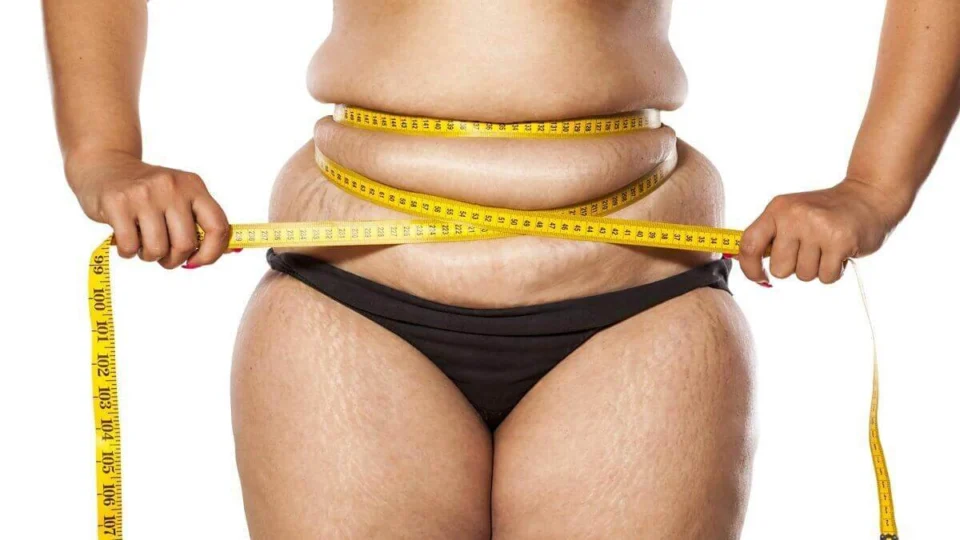
What is Ideal Weight?Ideal weight is a healthy body weight determined by considering a person’s height, age, gender, and body composition. Since each individual’s body structure is unique, relying solely on the height and weight relationship may not be sufficient.Here are the factors to consider when determining your ideal weight:Height: Determines the amount of weight your body can support.Age: Influences metabolic rate.Gender: Men typically have more muscle, which affects their ideal weight range.Body Fat Percentage: A balance of muscle and fat is essential for a healthy weight.Bone Structure: Affects weight range, with larger structures supporting more weight.Methods to Calculate Your Ideal Weight1. Body Mass Index (BMI) CalculationThe Body Mass Index (BMI) is a widely used method. It is calculated using the formula:BMI = Weight (kg) / Height (m)²Example Calculation: For a person who is 1.70 m tall and weighs 68 kg:BMI = 68 / (1.70 × 1.70) = 23.5BMI Values and Their Meanings:Below 18.5: Underweight18.5 – 24.9: Ideal weight25 – 29.9: Overweight30 and above: ObesityNote: BMI alone may not be enough, as individuals with a high muscle ratio might have a higher BMI without being unhealthy.2. Broca’s Formula (Weight Calculation by Height)An older method is Broca’s formula, which offers a simple way to calculate ideal weight:For men: Height (cm) – 100 = Ideal WeightFor women: Height (cm) – 105 = Ideal WeightExample:For a man 1.70 m (170 cm) tall: Ideal weight = 170 – 100 = 70 kgFor a woman 1.65 m (165 cm) tall: Ideal weight = 165 – 105 = 60 kgThis method doesn’t consider fat percentage and muscle mass but can provide a general idea.3. Waist to Hip RatioFat distribution in the body is crucial for determining ideal weight. Hence, the waist-to-hip ratio is also used in healthy weight analysis.Calculation: Waist circumference (cm) / Hip circumference (cm)Healthy Ratios:0.85 and below for women0.90 and below for menRatios above these values may indicate increased fat and health risks.Healthy Recommendations for Maintaining Ideal WeightTo maintain or achieve your ideal weight, consider the following:1. Balanced Diet is EssentialMaintain a balance of proteins, carbohydrates, and healthy fats. Avoid fast foods, processed foods, and reduce sugar consumption to prevent sudden weight changes.2. Boost Your MetabolismDrink at least 2-3 liters of water daily. Incorporate natural metabolism boosters like green tea, cinnamon, and ginger. Start your day with breakfast and avoid skipping meals.3. Incorporate Exercise into Your RoutineExercise regularly, at least 3-4 days a week, to maintain body balance by increasing muscle ratio and support body toning with weight training.4. Sleep Well and Manage StressLack of sleep can slow metabolism; prioritize 7-8 hours of sleep per night. Combat stress, which may lead to weight gain, with practices like meditation or breathing exercises.5. Regular Health Check-UpsHealth issues such as hormone imbalances and thyroid problems can impact weight. It is advisable to monitor your weight under medical supervision.Determining the ideal balance between height and weight is individualistic and cannot rely solely on numbers. Muscle proportion, fat distribution, and overall health are also essential. For a healthier lifestyle, focus on eating right, staying active, and understanding your body.
Understanding and Achieving Your Ideal Weight
Explore tips and insights on reaching your ideal weight with a balanced approach to nutrition, exercise, and mindset for a healthier you.
 YazanSigorta Haber
Yayınlandı Güncellendi 3 dk okuma

YAZAR
Sigorta Haber
Finans ve ekonomi alanında uzman. Piyasa analizleri, yatırım stratejileri ve makroekonomik gelişmeler üzerine içerikler üretir.
Yazar profili ve tüm yazıları