

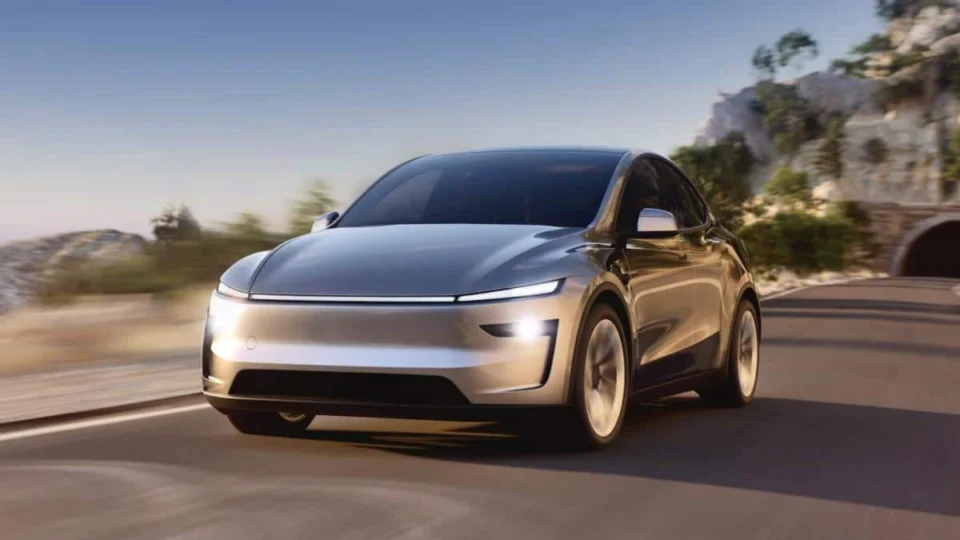
Federal safety regulators have initiated an information request regarding Tesla’s newly introduced autonomous driving feature known as “Mad Max Mode.” The request adds more legal scrutiny to the electric car maker’s self-driving technology, which has long been under observation for safety compliance.
According to reports circulating online, this mode is engineered to prioritize speed and dynamic lane changes, offering a more assertive driving behavior than previous automatic settings.
Regulators Question Speed Capabilities
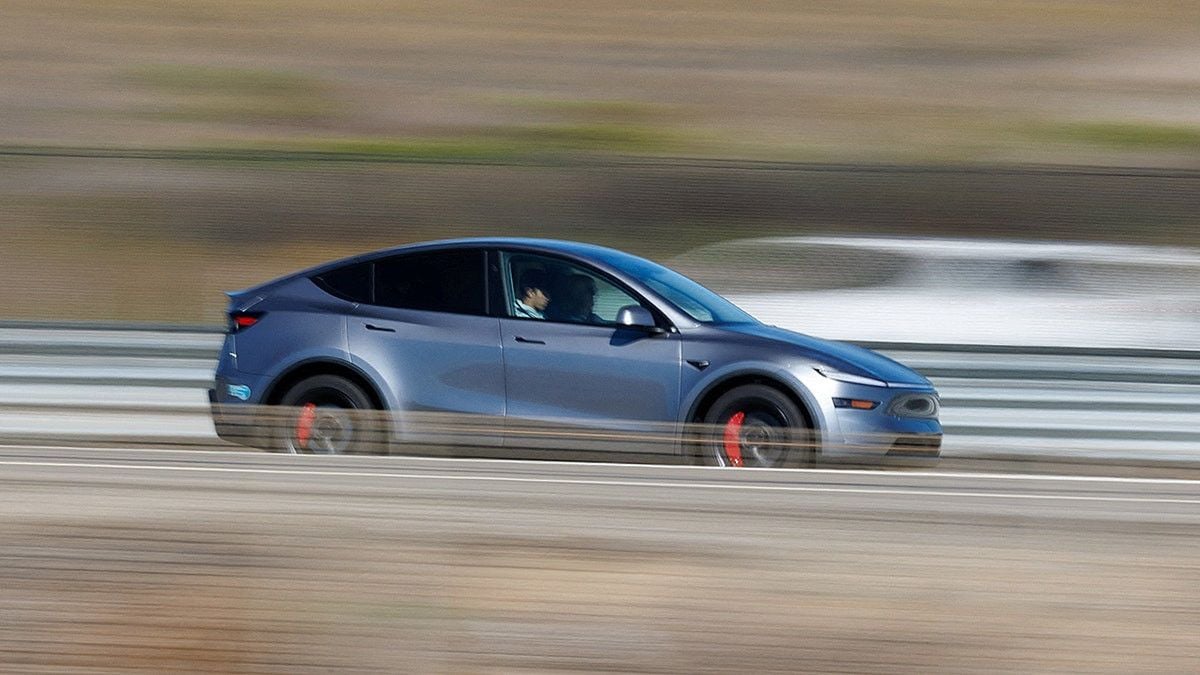
The National Highway Traffic Safety Administration (NHTSA) confirmed that it is communicating with Tesla after user reports surfaced on social platforms. Videos and posts demonstrated the Mad Max mode enabling vehicles to exceed legal highway speed limits by as much as 24 km/h, reaching top speeds around 135 km/h. This aggressive mode, said to emphasize faster travel and frequent lane switch maneuvers, distinguishes itself from the earlier “Rush” mode.
Mixed Public Reaction and Broader Investigation
Reactions from Tesla owners have been divided. Some users describe the mode as ideal for catching up on tight schedules, while others express concern about potential safety issues in heavy traffic. Tesla, in its defense, promotes the feature as a smoother and more responsive experience that still maintains control accuracy despite increased velocity.
This development coincides with an ongoing NHTSA investigation that encompasses nearly 2.9 million Tesla vehicles equipped with the Full Self-Driving (FSD) platform. Investigators are currently examining multiple traffic safety incidents involving FSD systems—including instances of vehicles allegedly running red lights or making unsafe lane transitions. The outcome could play a critical role in shaping future regulations for autonomous vehicles.