
SİGORTAWORLD • SÜREKLİ DEĞİŞEN İÇERİKLER
3 dk okuma

FCC Authorizes SpaceX for Major Expansion of Gen2 Starlink Network
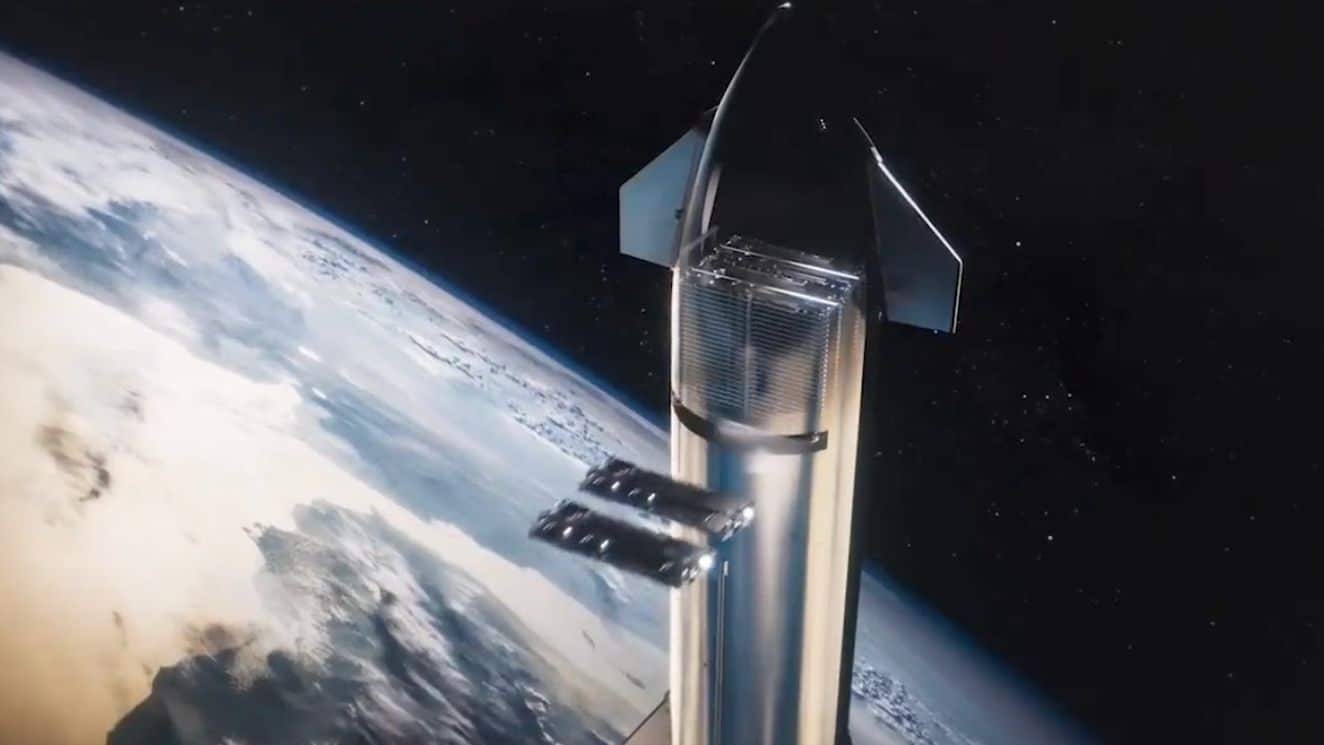
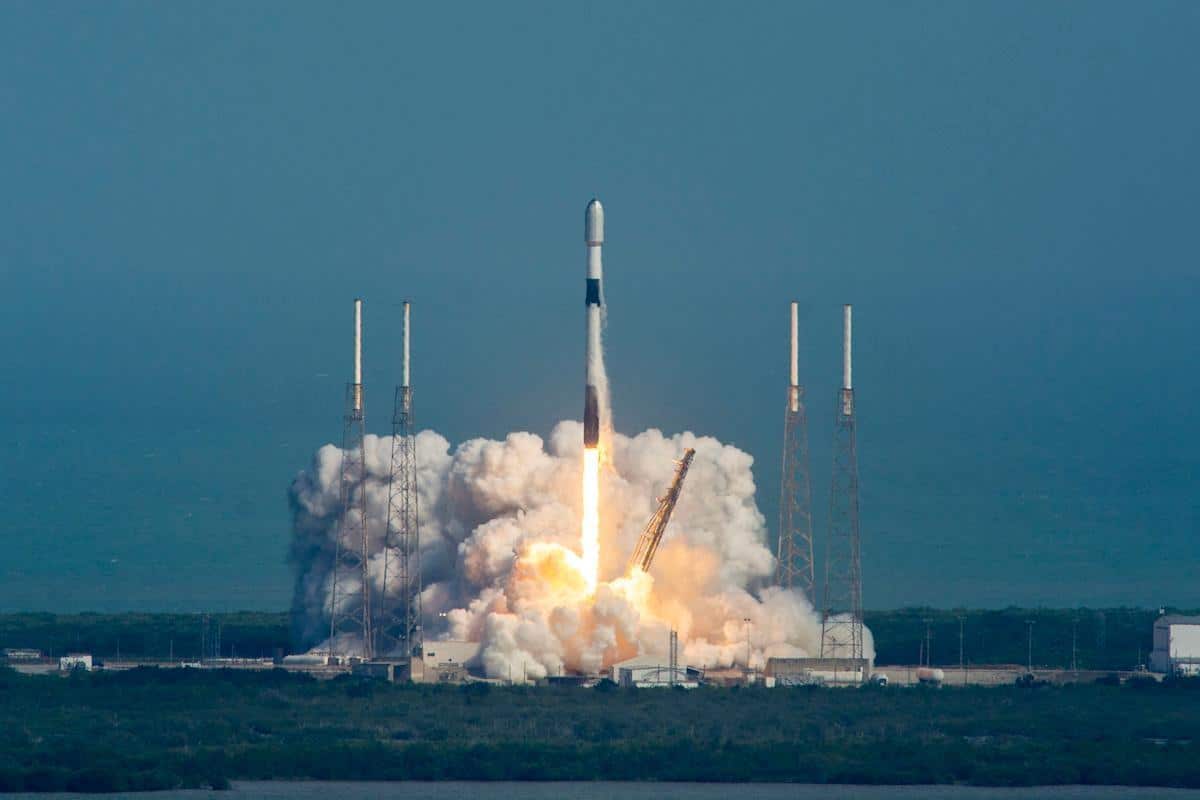
The United States Federal Communications Commission (FCC) has granted extensive authorization to SpaceX for the growth of its second-generation Starlink (Gen2) satellite constellation. Announced on January 10, 2026, the decision allows the company to launch 7,500 more Gen2 satellites. With previous approvals combined, SpaceX now holds permission to operate up to 15,000 Gen2 Starlink satellites worldwide.
Broadening Global Coverage Capabilities
The FCC stated that this approval will further the global delivery of high-speed, low-latency broadband connectivity. In addition, it will strengthen mobile communication and supplementary cellular services via satellite networks. Beyond approving additional satellites, the FCC has also authorized SpaceX to enhance the Gen2 design using improved technology and updated configurations. These satellites will work across the Ku, Ka, V, E, and W frequency bands, offering support for both Fixed Satellite Service (FSS) and Mobile Satellite Service (MSS).
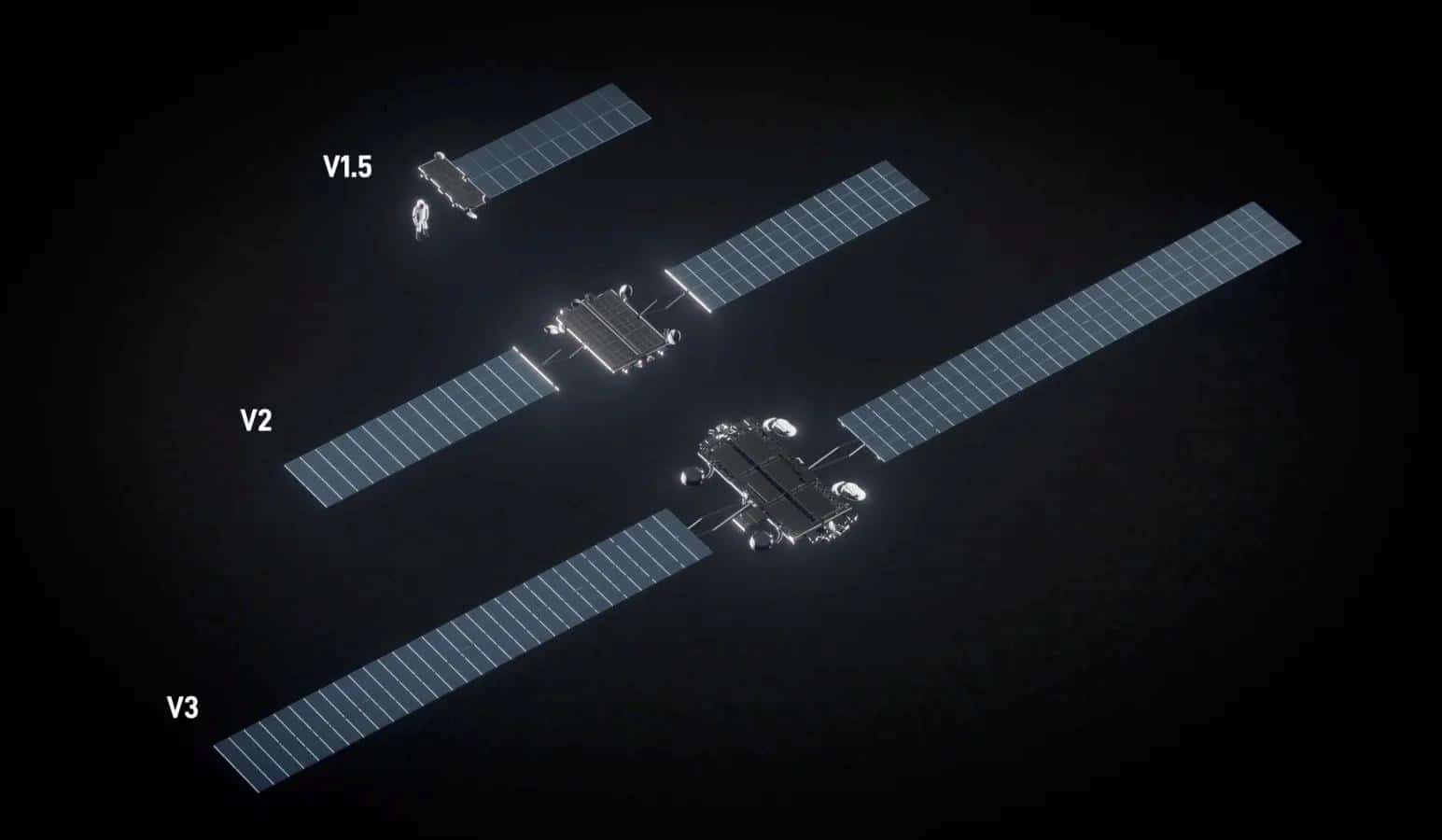
The regulatory body also lifted several outdated limitations from earlier rulings, which had previously restricted system capacity and overlapping coverage areas. This change enables SpaceX to refine its service delivery by integrating new orbital layers ranging between 340 kilometers and 485 kilometers in altitude. Such adjustments will bolster network reliability in both densely populated regions and remote territories. Furthermore, the company confirmed plans to lower around 4,400 of its current Starlink satellites from approximately 550 kilometers to 480 kilometers during 2026.
Expansion of Direct-to-Cell Connectivity
The updated Gen2 network will also make it possible for SpaceX to deliver direct cellular connectivity services outside the United States. Within the US, these satellites will reinforce existing mobile systems to ensure more consistent coverage. This initiative is particularly vital for maintaining communication in rural or infrastructure-limited zones. Currently, T-Mobile employs the Starlink system domestically, while SpaceX continues to cooperate with multiple mobile operators internationally. With this latest FCC approval, all 15,000 authorized Gen2 satellites will be capable of supporting both fixed broadband and mobile data communication.
Plans for 15,000 Additional Mobile-Compatible Satellites
Looking forward, SpaceX aims to deploy another 15,000 satellites engineered specifically for mobile network services. In September 2025, the company submitted an application to the FCC outlining a next-generation orbital framework designed to accommodate voice, text, and high-speed data transmission. Nevertheless, this sought-after expansion has drawn objections from competing satellite firms. Operators such as Viasat and Globalstar have petitioned the FCC, arguing that an expansion of this magnitude could monopolize orbital and frequency allocations. In their statement, Viasat emphasized that SpaceX’s proposed plan might negatively impact fair access, innovation, and competition within the sector.
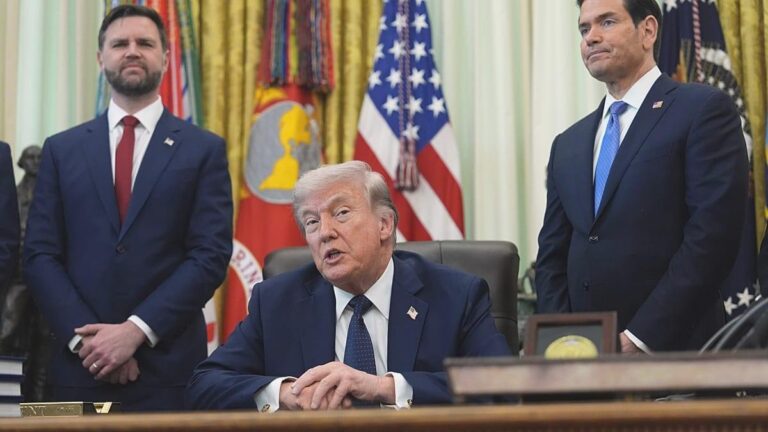
JD Vance Leads Early Contest to Succeed Trump as Marco Rubio Emerges as Main Alternative for 2028

WHO Raises Ebola Public Health Risk to Very High in DR Congo as Cases Increase

Pakistan Army Chief Visits Tehran as US-Iran Talks Show Limited Progress

Xi Orders Full Rescue Response After Coal Mine Gas Explosion in Northern China Kills Over 80

Italy expands defence cooperation with Kuwait through Leonardo naval systems, air force support, and regional military presence

USCIS Policy Requires Most Temporary Visa Holders to Leave the US to Apply for a Green Card

Hong Kong’da 45 Sigortacı Huanggang Limanı İçin Zorunlu Poliçe Kapsamını Genişletti

EIOPA, Yatırım Bağlantılı Sigorta Satışlarında Denetim İçin Görüş Topluyor

AM Best: Orta Doğu ve Kuzey Afrika Reasürörlerinde Özel Risk Ürünleri Öne Çıkıyor

Tower Insurance Fiji’de Yağış Sigortasından 278 Kişiye 27.050 Fiji Doları Ödedi

ABD’de İşveren Sağlık Sigortası Harcamaları Yüzde 18,8 Arttı: Artışın Yüzde 90’ı Fiyatlardan
