

Low-Altitude Air Travel
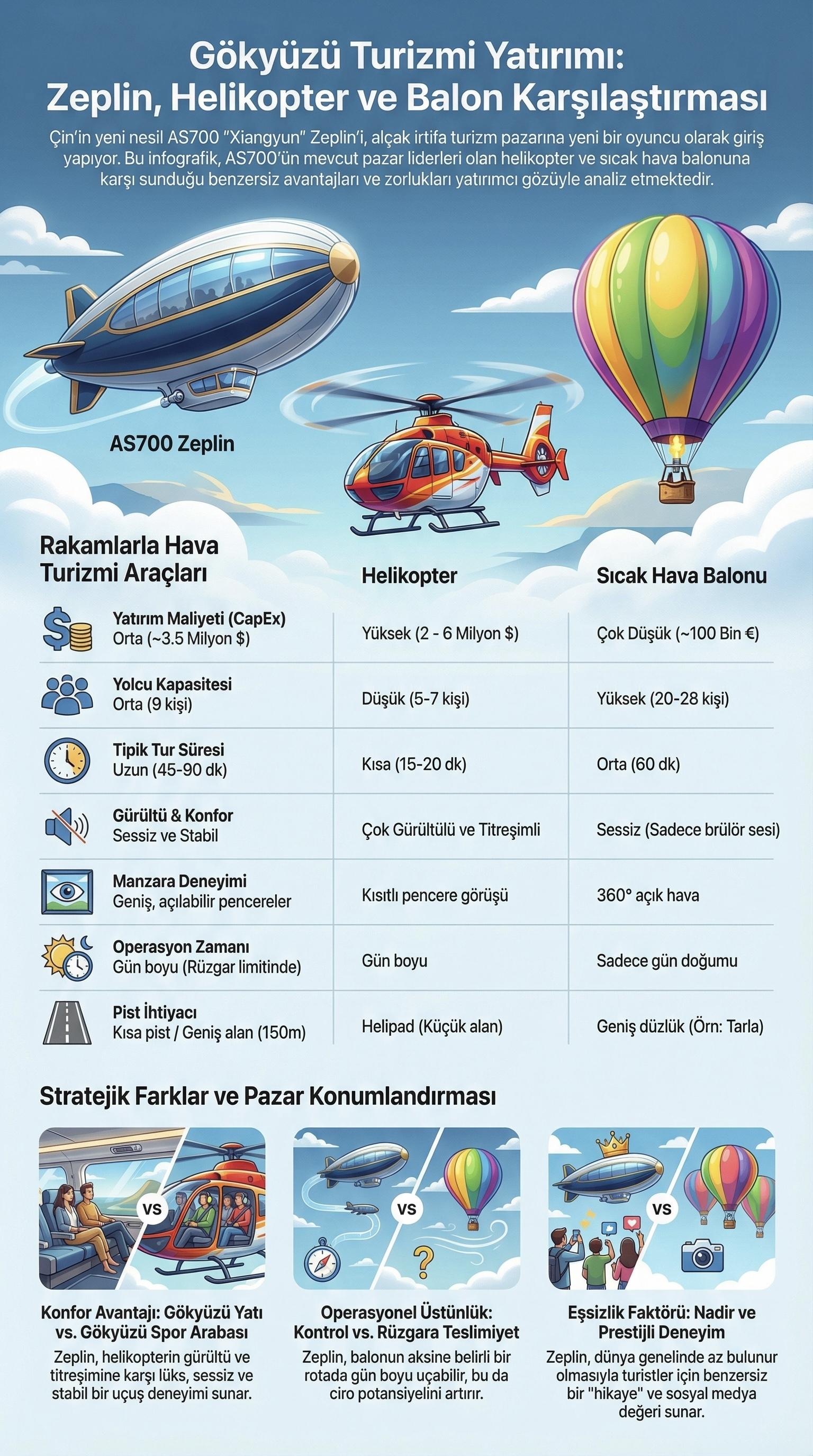
While it has become quite common to fly long distances affordably by airplane, low-altitude flights (under 1,000 meters) over urban areas are still not part of everyday transportation. One major reason for this is that such airspace has traditionally been designated for helicopters, which are often perceived as a luxury mode of transport. Though they play essential roles in emergency operations, medical services, and security missions, helicopters remain largely inaccessible for recreational use due to their complex production and maintenance, costly pilot training, and high fuel consumption.
Advantages of Airships
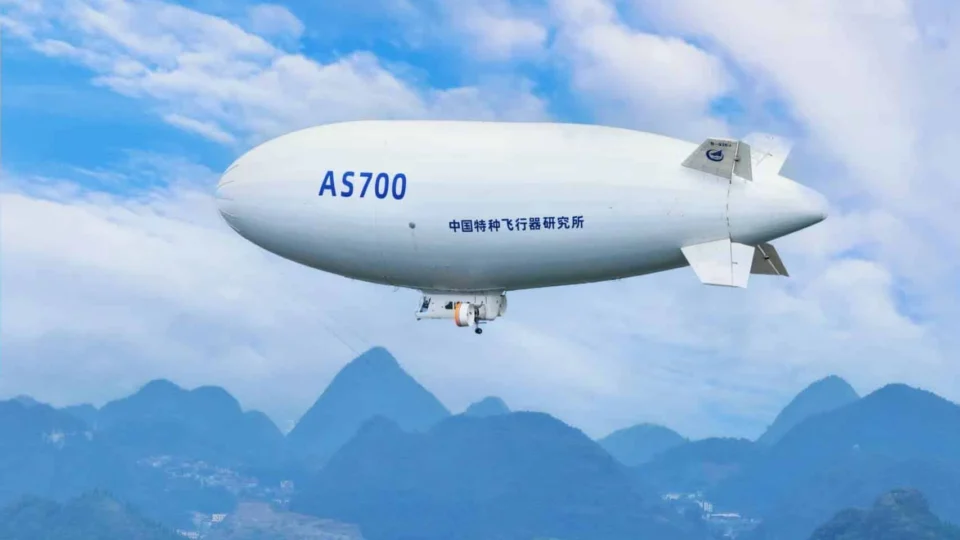
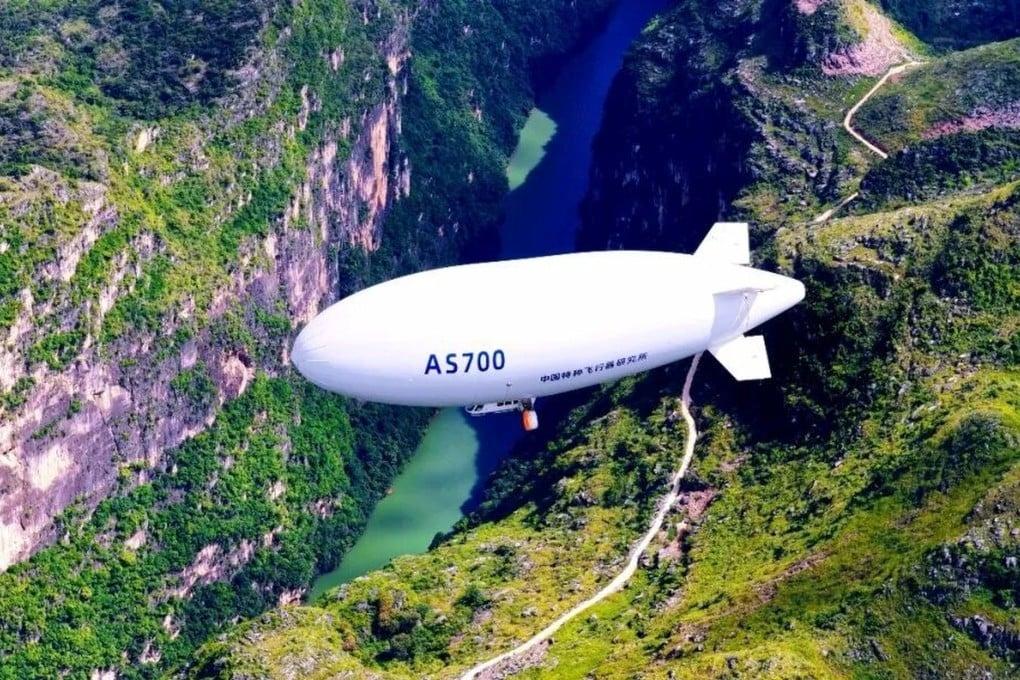
In contrast, airships offer distinctive benefits with simpler mechanics, significantly lowering both initial investment and fuel costs. They rely mainly on helium, a gas lighter than air, for lift, while the engines below provide propulsion. The key innovation here lies in the steerable, gasoline-powered engines, which can tilt vertically during takeoff and landing to counteract wind, and rotate in all directions, granting unparalleled maneuverability. Measuring roughly 50 meters in length and 12 meters in height, the single-capsule airship accommodates one pilot and nine passengers. The combustion engine model reaches speeds of 100 km/h and covers up to 700 km. Designed with broad panoramic windows, its passenger cabin is tailored for scenic tourism flights over nature and cities alike.

Cost and Environmental Benefits
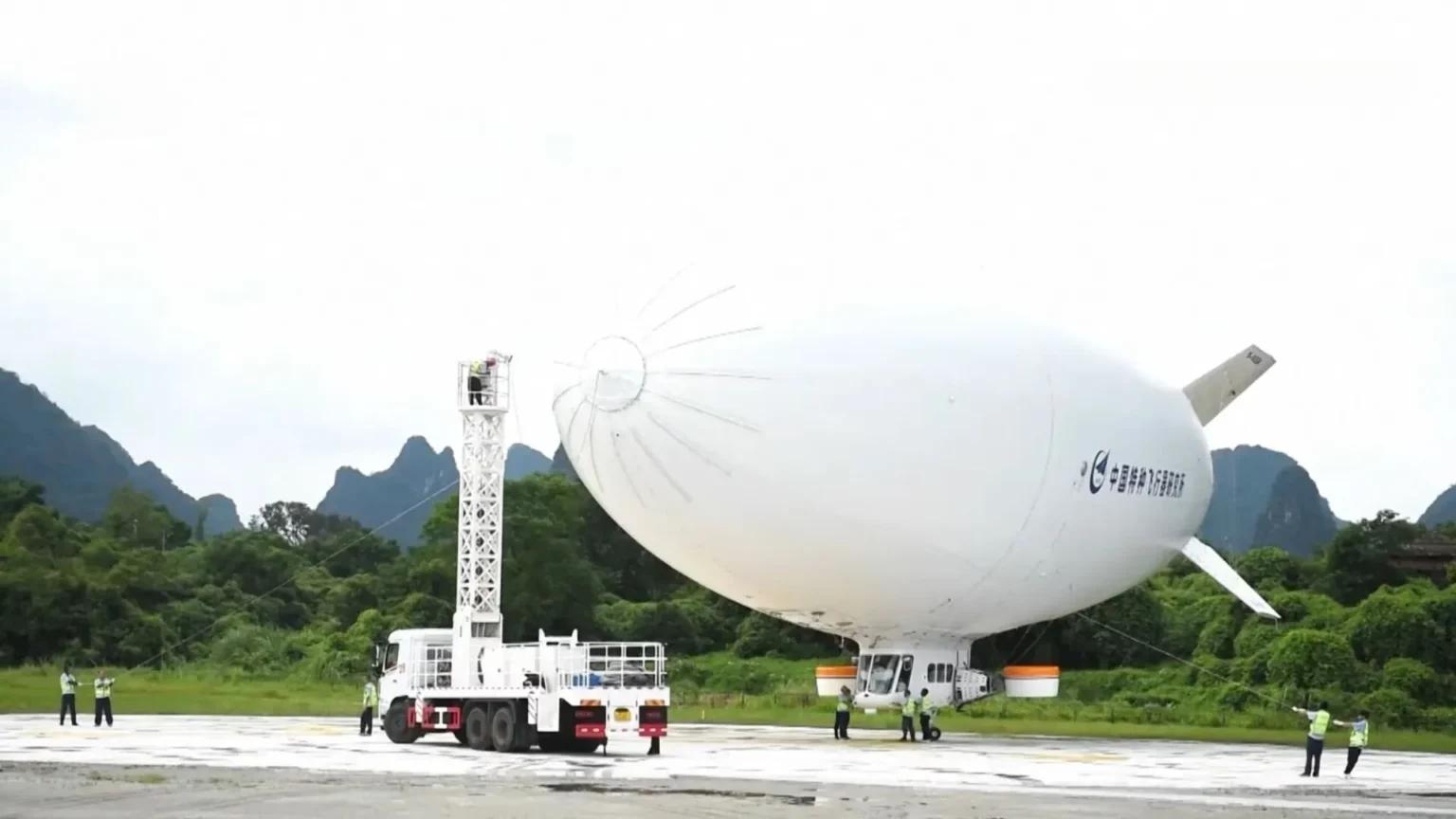
Particularly suitable for sightseeing over regions such as the Bosphorus or historic quarters, this model’s price is approximately 30% lower than that of a helicopter, requiring only about 150 meters of level ground for landing. Unlike helicopters that consume 250–300 liters of jet fuel per hour, the gasoline airship uses merely 15–50 liters of standard fuel, cutting expenses by roughly tenfold. Consequently, the price of Zeppelin NT tickets, around €500 per passenger in Germany, has decreased to between $140 and $250 in China.
AVIC’s AS700 Model
The AS700 model by AVIC, recently certified by the Civil Aviation Administration of China, has already achieved notable commercial interest, securing 23 confirmed sales and 164 optional orders. This success stems largely from its competitive pricing of 3.5 million euros—far below the approximately 20 million euros of the German Zeppelin NT—and its operational efficiency. AVIC currently offers two options: one gasoline-powered and one electric. The electric variant, not yet in service, faces range limitations due to battery weight, but it demonstrates promise for observational, advertising, and quiet passenger operations.
Future Prospects
While the AS700 in standard production can carry about 4 tons, larger cargo versions designed for 10-ton, 60-ton, and even 100-ton capacities are being developed. These are envisioned for deliveries in mountainous terrains and for transporting oversized industrial components. The potential to move entire wind turbine blades by air could simplify logistics in remote regions significantly. Initially targeted at tourism flights over cities and scenic landscapes, such airships could present a viable alternative to helicopters across Istanbul, Cappadocia, and the Mediterranean coastline of Turkey. In particular, offering these flights to transfer passengers at Istanbul Airport during layovers could serve as a compelling tourism and commercial opportunity.