

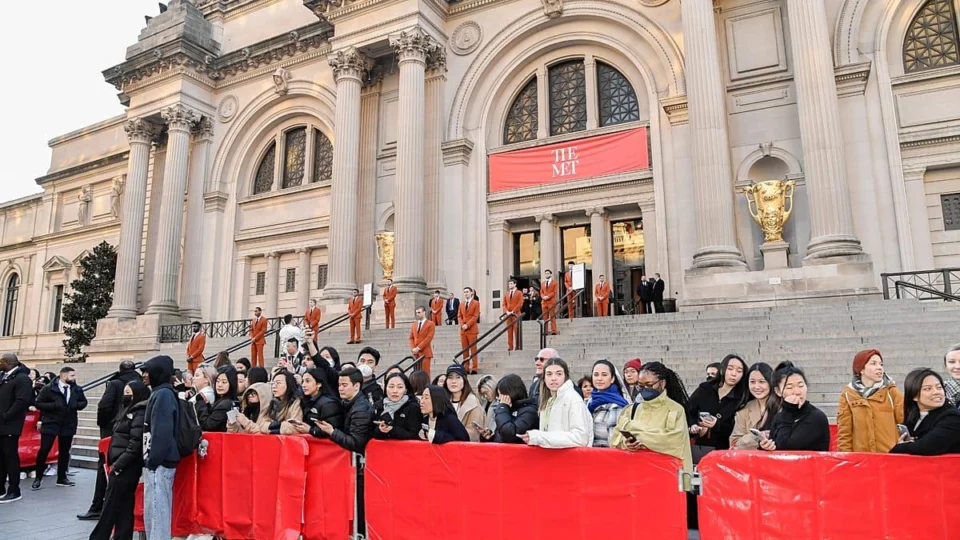
The descendants of a Jewish couple forced to flee Nazi Germany are taking legal action against the Metropolitan Museum of Art in New York and a Greek foundation regarding a disputed Vincent van Gogh painting titled ‘Olive Picking’. The plaintiffs contend that the artwork was looted during the Nazi era and that all subsequent sales—including one conducted by the Met—violated rightful ownership.
The Met purchased the painting in 1956 for $125,000 and later sold it in 1972 to a wealthy Greek collector. According to the heirs, represented by the descendants of Hedwig and Frederick Stern, museum officials either knew or should have known that the work’s origins were compromised. The Stern family originally acquired the van Gogh in 1935 but were later barred from taking it when they escaped Munich to the United States amid mounting persecution.
The Disputed Provenance
Court documents state that shortly before the couple fled, Nazi authorities classified the artwork as German cultural property. It was later sold on the Sterns’ behalf in 1938, yet the profits were confiscated by the regime. Following the war, the painting made its way to the United States, where it entered the private collection of businessman Vincent Astor before arriving at the Met.
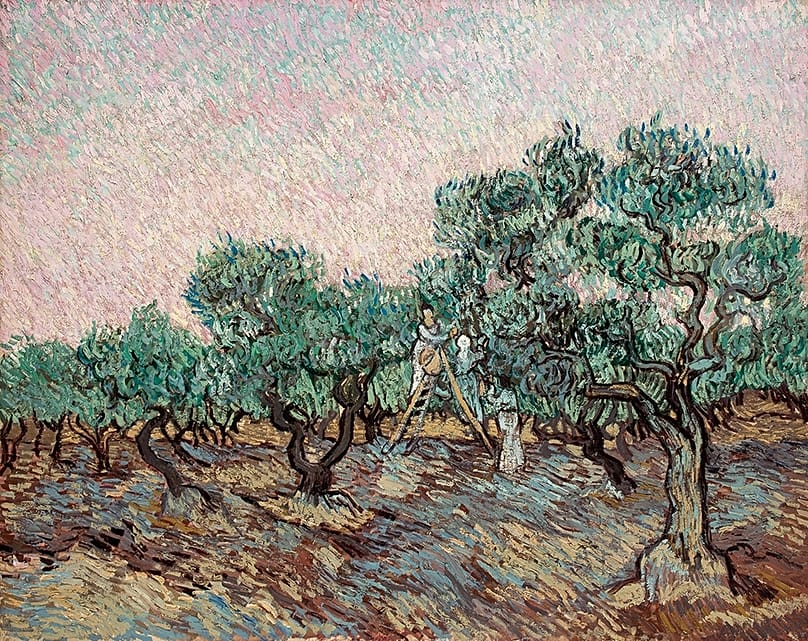
In 1972, former Met curator of European paintings Theodore Rousseau Jr. oversaw the transaction that transferred ‘Olive Picking’ to the Basile & Elise Goulandris Foundation in Greece. The heirs argue Rousseau’s expertise in Nazi-era looting should have prompted greater diligence. The painting now hangs in the foundation’s museum in Athens and is valued at more than $75,000. Notably, the foundation’s official records omit ownership details between 1924 and 1948, excluding reference to the Stern family.
Ongoing Legal and Ethical Debate
The same heirs had previously filed a similar lawsuit in California, which was dismissed for lack of jurisdiction. Now brought before a federal court in Manhattan, the case revives questions about how institutions handle art looted under Nazi rule. Their attorneys claim that the painting was “repeatedly and secretly trafficked” through New York’s art market over the decades.
Both the Met and the Goulandris Foundation deny any wrongdoing. The museum emphasizes its longstanding commitment to investigating provenance related to Nazi-era artwork, while the foundation calls the accusations an attempt to “smear its reputation”. Despite the differing stances, the case underscores the continuing moral complexities museums face when history, ownership, and cultural legacy intersect.