
Future of the FCAS Project in Question
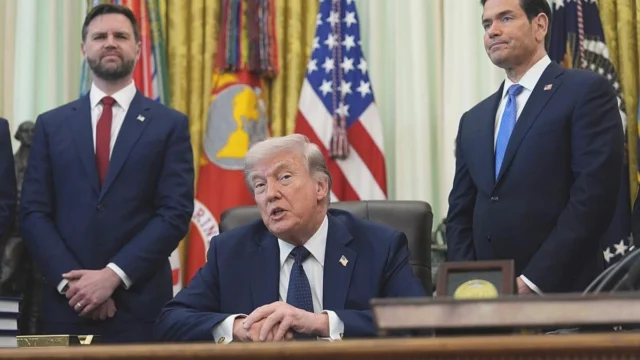
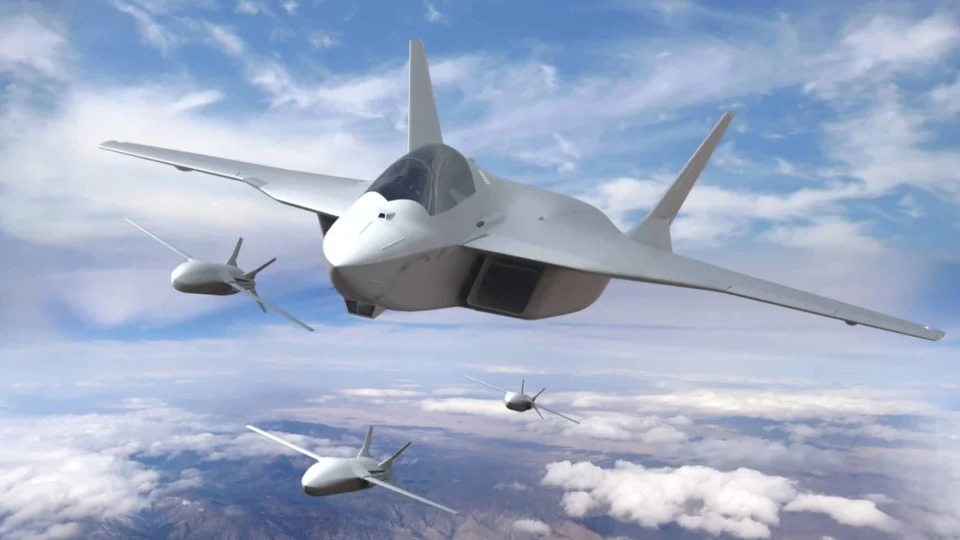
German Chancellor Friedrich Merz stated that the Future Combat Air System (FCAS) collaboration with France, long marked by disagreements, might not proceed as initially envisioned. His remarks followed Airbus‘s announcement that it had essentially stepped away from producing the joint fighter jet. This development has cast significant doubt on the fate of the FCAS, one of Europe’s most ambitious defense ventures. Merz underlined that Berlin and Paris would continue to develop certain shared systems under the program but conceded that the core component — the joint combat aircraft — could be discontinued. With an estimated cost of about 100 billion euros, the FCAS remains a flagship air defense initiative for both Germany and France.
Joint Systems Confirmed, Aircraft Still Debated
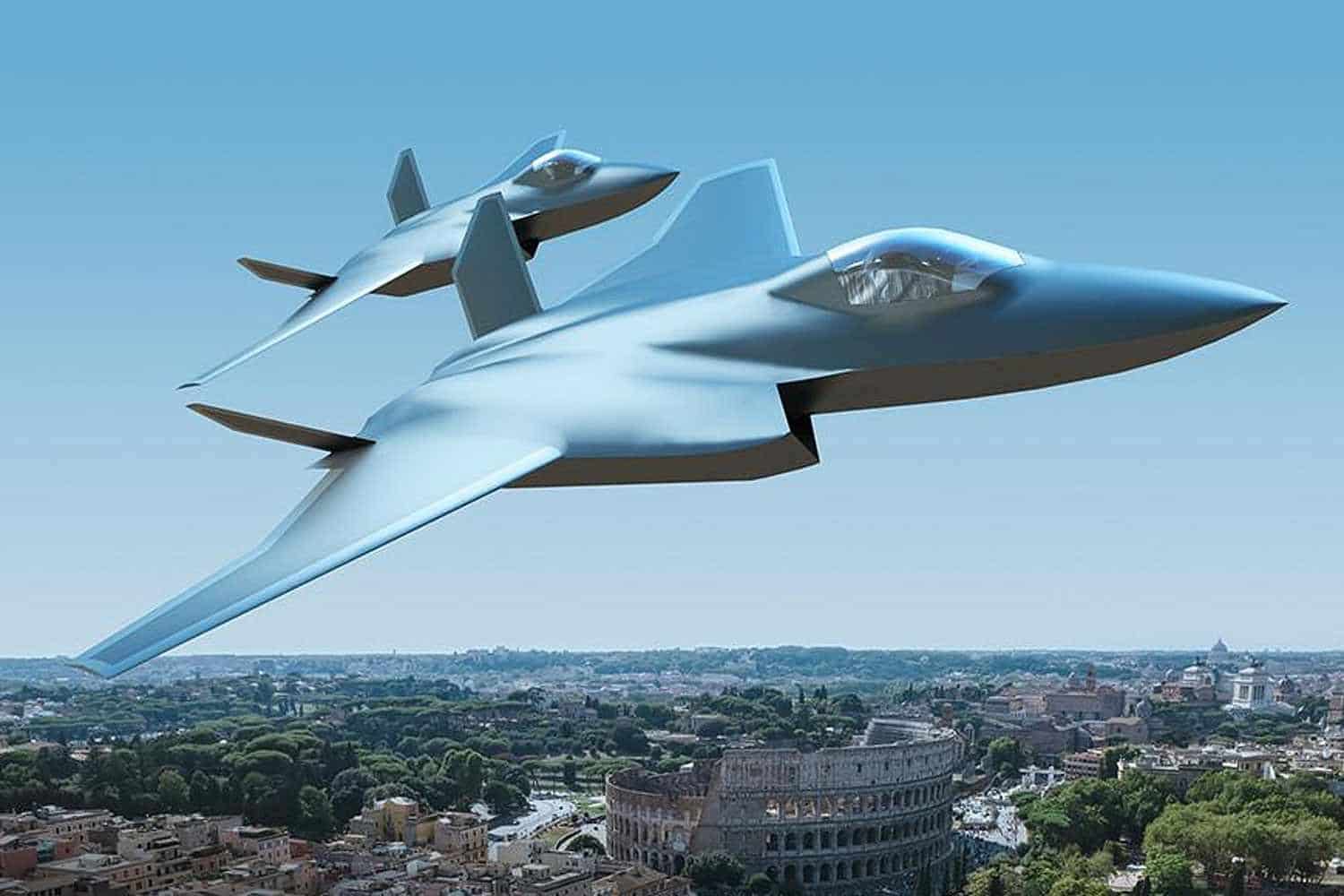
The German leader remarked that close discussions with France are underway, saying, “We are working to resolve this. In any case, there will be joint systems.” Yet Merz noted that a final decision regarding the development of a sixth-generation fighter jet is expected within weeks. His statement intensified speculation that the project’s overall scope might drastically shrink.
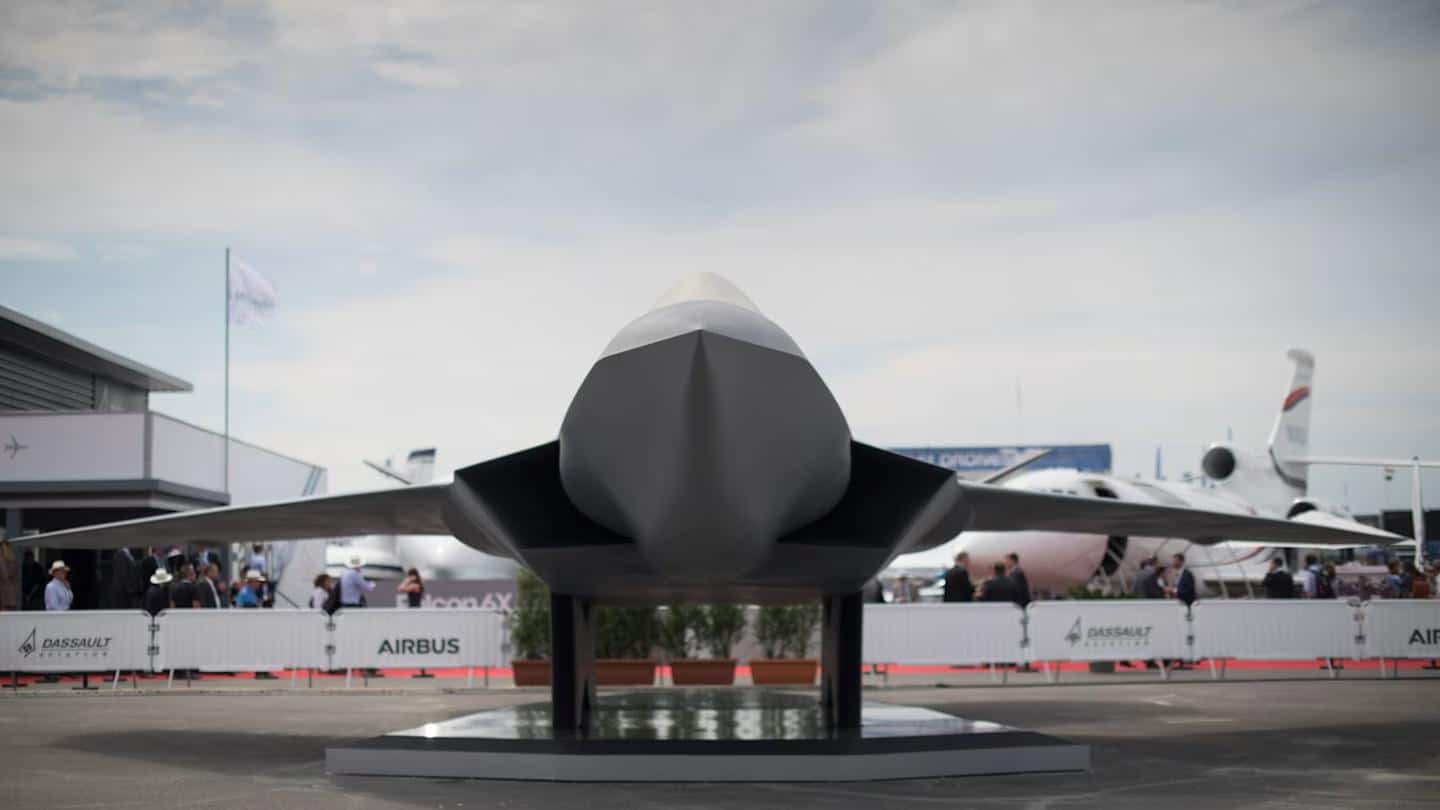
For years, a power struggle has persisted between Dassault Aviation of France and Airbus’s German defense division concerning the jet — the central pillar of the FCAS. The two sides have struggled to agree on production methods, design responsibilities, and key decision-making structures. The latest spark came from Airbus Defence and Space CEO Michael Schoellhorn, who plainly declared they had abandoned the idea of a shared fighter aircraft, claiming Dassault’s stance was inconsistent with a true pan-European partnership. Airbus has maintained that Dassault seeks full control over the project, rendering the partnership one-sided.
Focus May Shift to Digital Warfare Systems
Reports from November indicated that France and Germany had set aside the joint fighter jet concept and begun emphasizing the so-called “combat cloud” aspect of FCAS — specifically focusing on command, control, and network-centric operations. This shift aligns with efforts to preserve cooperation while reducing contention over hardware design.
Leadership Disputes at the Core
The heart of the disagreement lies in leadership structure. Initially, the plan positioned Dassault, maker of the Rafale, as the lead contractor with Airbus as its partner. Dassault sought total authority over suppliers and strategic decisions, while Airbus argued that such terms would make the partnership nominal only. Reports surfaced in December that Dassault had submitted a new offer defining Airbus merely as a subcontractor under supervision by France’s military procurement agency.
Although Paris shows willingness to salvage the initiative, insiders concede that obstacles persist. A source close to the talks emphasized that FCAS has always been a political endeavor, remarking, “The main question is whether there is enough political will to move forward. France has it — Germany does not.”