
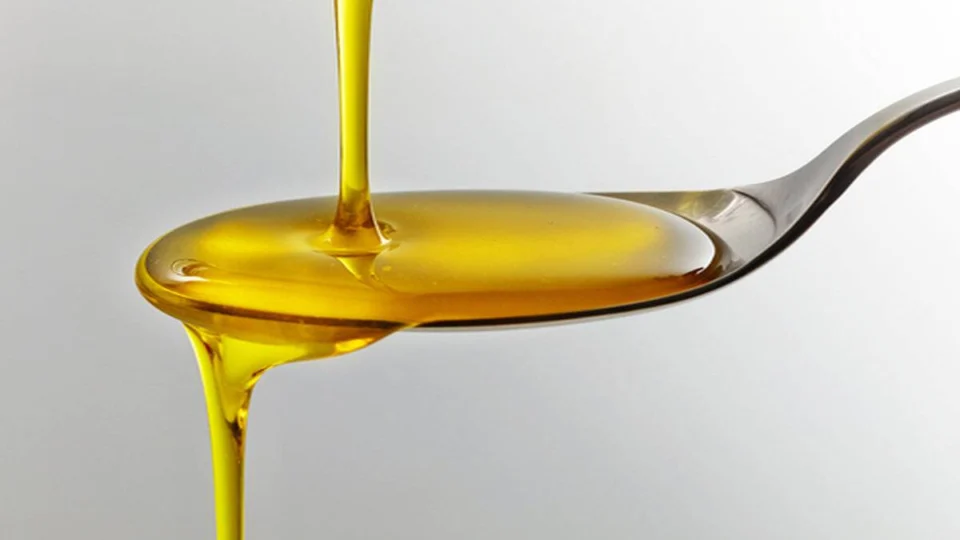
Practical Solutions for Overly Oily DishesUnexpectedly adding too much fat to a dish can compromise its flavor and pose health risks. Whether it’s a stew, soup, or roast, excessive oil can make food heavy and unappealing. Fortunately, there are several practical kitchen techniques to restore balance and save your meal.Strategies to Reduce Fat in Foods1. Skimming Fat with a SpoonFor soups and stews, allow the dish to rest post-cooking. The fat will rise to the surface, forming a distinct layer upon cooling. Use a metal spoon or a slotted ladle to gently skim off this fat. Repeat the process if necessary to achieve the desired result.2. Ice Cube MethodFat solidifies when cold, making it easier to remove. Place ice cubes in a sealed freezer bag and gently glide it over the dish’s surface. The fat will solidify and can be effortlessly lifted away with a spoon. This method is particularly effective for soups.3. Paper Towel AbsorptionFor a quick fix, lightly skim a clean paper towel over the dish’s surface. The towel will absorb the excess oil without soaking into the food. This technique is ideal for a quick touch-up before serving.4. Strain and Re-cookWhen a dish is excessively greasy, use a strainer to separate the ingredients from the fat. Transfer the solids to a new pot and prepare a fresh broth. This method is particularly effective for roasts.5. Potatoes as Fat AbsorbersRaw potatoes naturally absorb fat. Add chopped raw potatoes to the dish and allow them to cook for a while. Once cooked, remove the potatoes to reduce oil content. This method also helps balance salt or spices.6. Baking to Reduce Oil (for Solid Dishes)For baked dishes, place the oily dish on a baking tray lined with parchment paper. Bake at 180°C (356°F) for 10–15 minutes. This allows excess oil to drain and adds a delightful crispness to the ingredients.7. Reusing Separated FatDrain the excess oil into a separate container and allow it to cool. This fat can be reused in other recipes, particularly those involving butter or meats, to enhance flavor without waste.Tips for Preparing Low-Fat Dishes:Start with less oil: Begin cooking with a minimal amount of oil, adding more only if necessary. Opt for healthier fats: Use olive oil or other healthier fats to lessen health risks associated with excess. Monitor during cooking: Frequently check the taste and consistency after each addition of oil.
Effective Techniques to Reduce Excess Fat in Dishes
Discover practical methods to cut down excess fat in your meals, enhancing both flavor and health without sacrificing taste.
 YazanSigorta Haber
Yayınlandı Güncellendi 2 dk okuma

YAZAR
Sigorta Haber
Finans ve ekonomi alanında uzman. Piyasa analizleri, yatırım stratejileri ve makroekonomik gelişmeler üzerine içerikler üretir.
Yazar profili ve tüm yazıları