

The European Union Accelerates IRIS2 Schedule
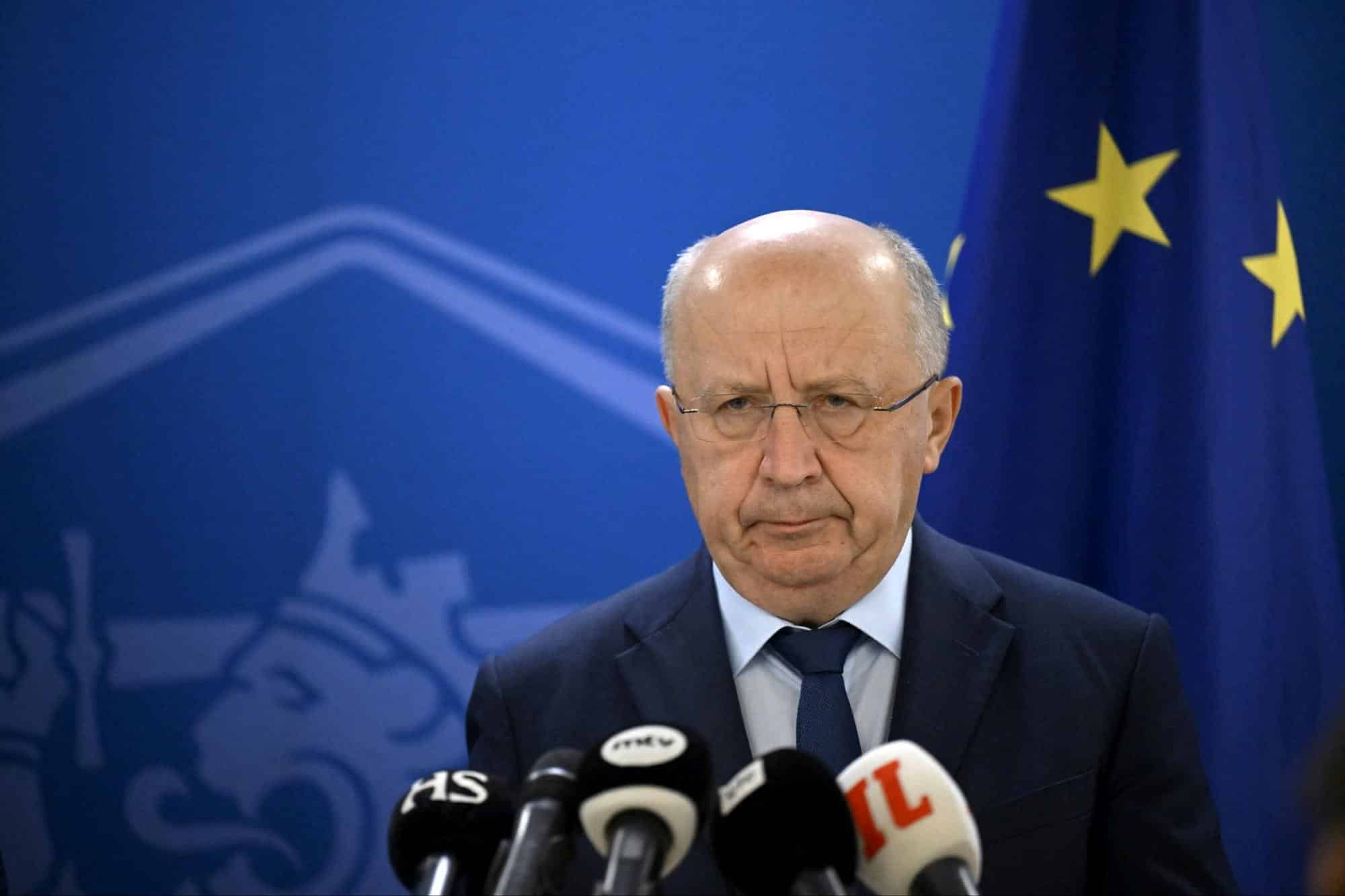
The European Union is moving ahead with plans to advance the launch timeline of its IRIS2 satellite constellation, a project designed to enhance strategic autonomy in space. EU Defense and Space Commissioner Andrius Kubilius announced that IRIS2, developed as a counterpart to Elon Musk’s Starlink system, will begin offering initial communication services by 2029, earlier than the originally projected date of 2030.

Multi-Orbit Network of 290 Satellites
Conceived as a large-scale infrastructure, IRIS2 will comprise 290 satellites deployed across multiple orbits. This platform will primarily serve as a secure communication framework for EU institutions, member state authorities, and public organizations. Additionally, the system is expected to deliver high-speed WiFi connectivity to European citizens. Kubilius underlined that IRIS2 is more than a civilian communications system, stating, “Europe needs to have its own sovereign military cloud infrastructure.” In an era where civilian and military satellite operations increasingly overlap, this vision is seen as strategically vital. The acceleration of IRIS2 has been driven largely by global tensions, including Russia’s invasion of Ukraine and diplomatic strains with the United States, which underscored Europe’s vulnerability and dependence on foreign satellite networks. Kubilius acknowledged that the EU’s reliance on American satellite infrastructure remains unsustainable.
GOVSATCOM as Interim Solution
To ensure continuity until IRIS2 becomes fully active, the EU has launched a transitional program named GOVSATCOM. Under this system, eight satellites operated by five EU nations were interconnected last week to deliver essential communication services for the governments and armed forces of all 27 member countries. Nevertheless, Europe continues to confront significant gaps in critical sectors. Kubilius noted that both early missile warning systems and satellite launch capabilities remain key weaknesses within the Union. In particular, the EU still trails behind SpaceX in launch speed and capacity. Several member states have begun addressing these shortcomings through their own national initiatives. Germany has allocated 35 billion euros for space defense, while France entered a partnership to develop a satellite-based missile early warning network called “Odin’s Eye.” The launch of this system is planned for the early 2030s.