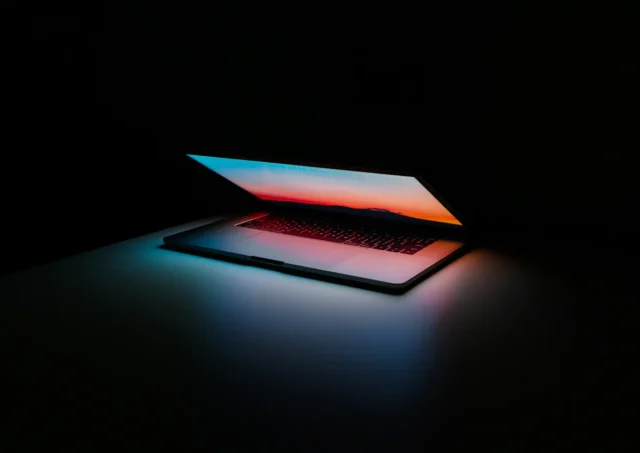

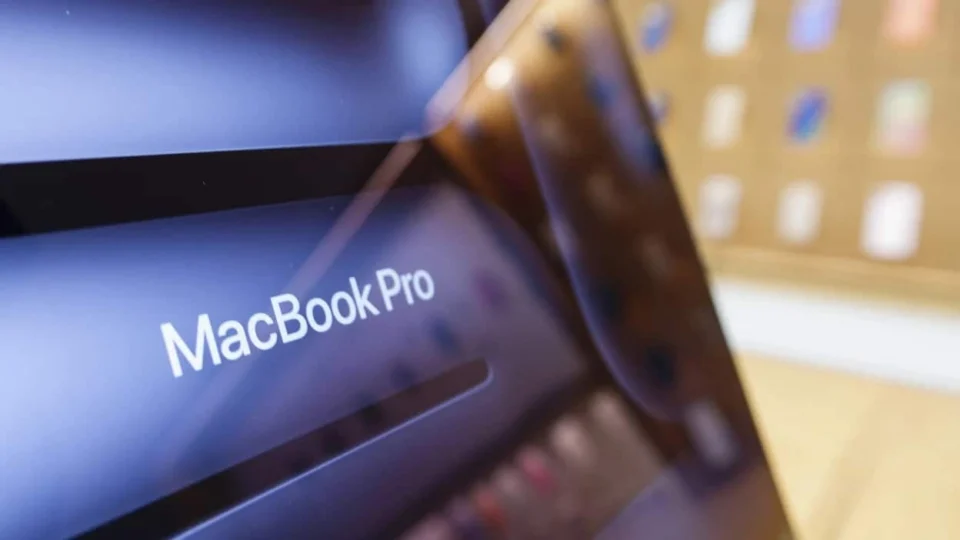
Apple is preparing for a major shift in its laptop strategy as it develops its first-ever touchscreen MacBook Pro. According to insights shared by Bloomberg’s Mark Gurman, the innovative device is expected to make its debut toward the end of 2026, marking one of the most significant design changes in the MacBook’s long history.
The upcoming model is rumored to feature a remarkable OLED display, providing deeper blacks, richer contrast, and more vibrant visuals than any previous MacBook. Apple engineers are said to be reworking the hinge system to ensure a more stable experience when users interact directly with the screen. This evolution will not only enhance usability but will also blur the boundaries between iPad and Mac interfaces, delivering a more fluid and natural workflow.
Advanced Technology and Design Transformation
Thanks to its integrated on-cell touch technology, the touchscreen MacBook Pro is expected to deliver ultra-responsive input, enabling smoother gesture controls and precise screen interactions. Unlike current models, the display may feature a subtle punch-hole design to house the camera, replacing the traditional notch. Remarkably, these upgrades will come in a thinner and lighter chassis without compromising durability.
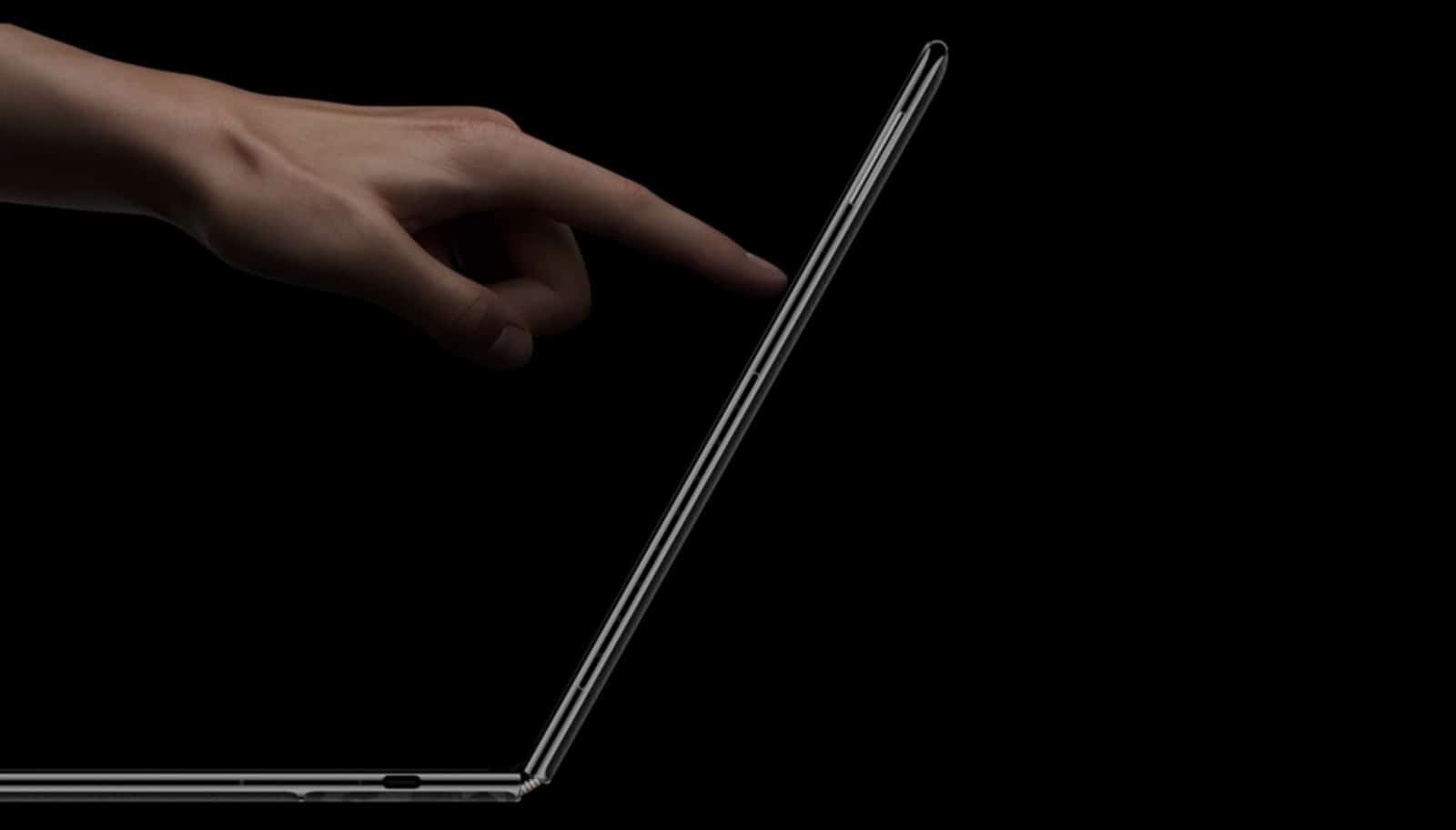
In terms of hardware innovation, Apple is developing this MacBook around its anticipated M6 chip, which will focus on on-device AI processing for faster performance and smarter computing capabilities. This move aligns with the company’s broader push for AI integration through its emerging Apple Intelligence initiative.
Blending macOS and iPadOS Experiences
The introduction of a touchscreen may represent Apple’s most dramatic step toward merging the Mac and iPad ecosystems. Although Apple has long maintained that macOS was never meant for touch-based input, the company’s recent software directions suggest a shift in philosophy. The move echoes Apple’s vision of combining the flexibility of iPadOS with the power and productivity of macOS.
Furthermore, this upcoming MacBook Pro could serve as a bridge device, offering users gesture-based multitasking, real-time editing tools, and an interface optimized for both touch and traditional input. With the latest iPadOS updates featuring desktop-inspired tools such as window management, an intuitive menu bar, and advanced cursor control, Apple appears to be laying the groundwork for a more unified computing future.
This forthcoming touchscreen MacBook Pro may well redefine how users interact with Apple computers, integrating the creativity of the iPad with the efficiency of a Mac — a new era that makes computing more immersive and intelligent than ever before.